

 Black Friday Sale


 New Arrivals
 Clearance
 GIFT CARDS





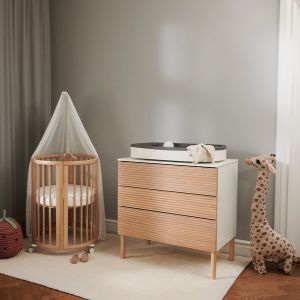






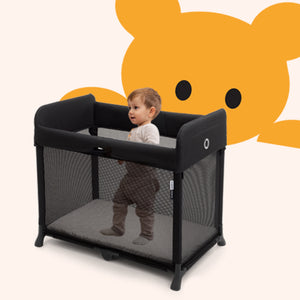
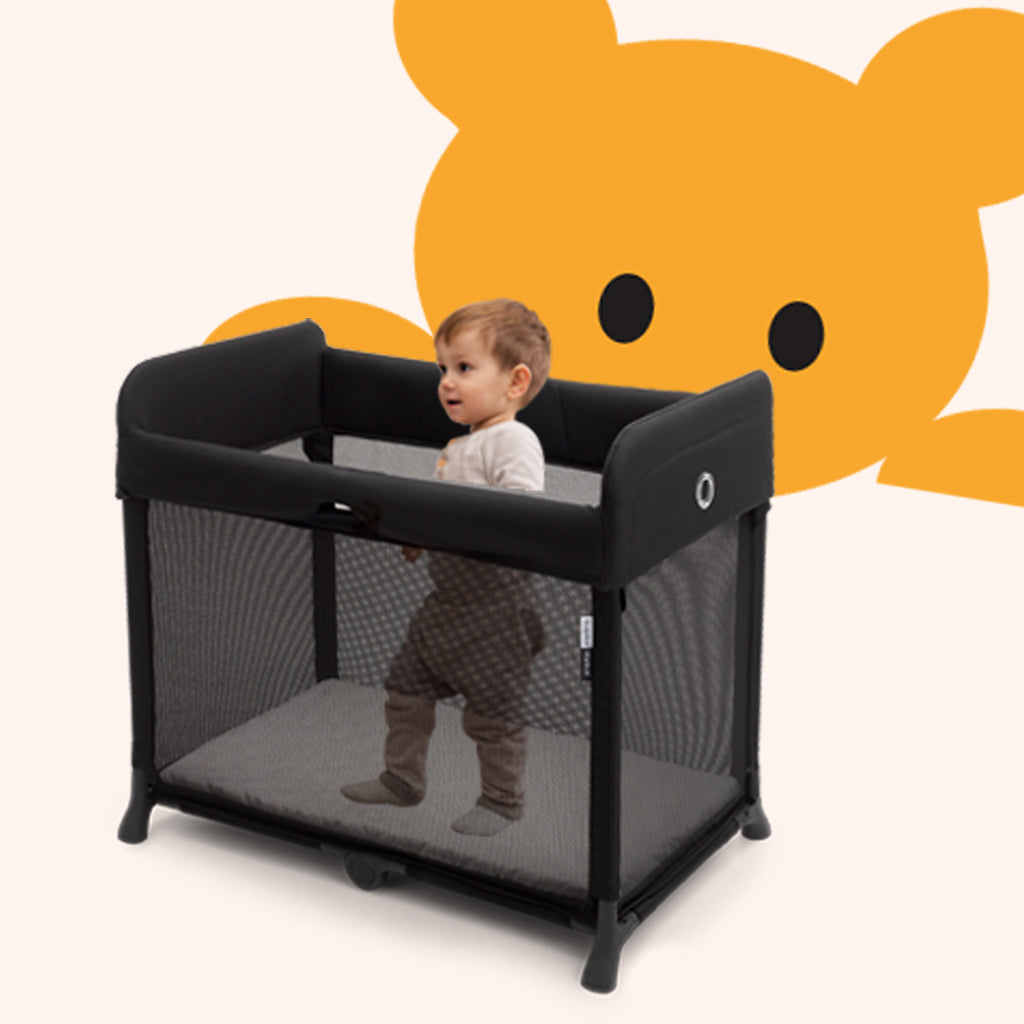



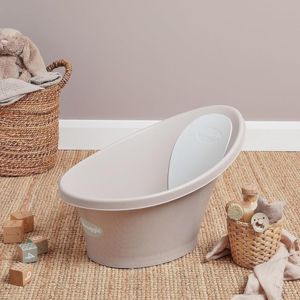





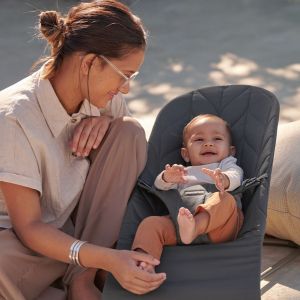







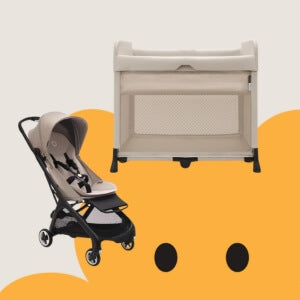

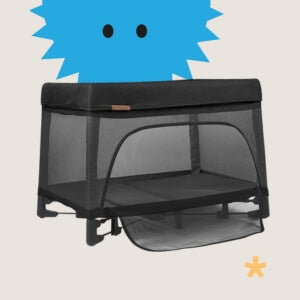




A co-sleeper bassinet answers a question every new parent runs into in the first week: how do you keep your baby close enough to reach without putting them in your bed. It gives them their own flat, firm surface at the side of yours.
Australian safe sleep guidance recommends your baby sleeps in their own space in your room for the first six to twelve months. A co-sleeper is built for precisely that arrangement rather than adapted to it, which is the whole reason the category exists.
The practical benefit shows up at night. Feeding, resettling, and simply checking all happen without getting out of bed, and over months of broken sleep, that adds up to a great deal. Your baby has their own firm mattress the entire time, which is the part that matters.
Most designs drop or fold one side and strap to your bed frame, closing the gap between the two mattresses. That strap is not optional, since a gap is the thing the design exists to remove, and it wants checking rather than assuming.
Height adjustment is the specification to look at first. Australian beds vary a lot, and a co-sleeper that will not rise to meet a tall mattress leaves a step your baby could roll into. Measure the top of your mattress from the floor before you buy, and check the range covers it with room on either side.
Some models detach from the bed and stand alone, which turns one purchase into a daytime nap space in the living room as well as a night-time one beside you. If floor space is short, that flexibility is worth more than any single feature.
At the other end sit the responsive bassinets that detect sound and movement and reply with motion and white noise, aimed squarely at the newborn stretch when nothing else settles. They are a serious spend for a short window, so they suit families who want that help and have decided it is worth the cost.
Think about how long you will use it, because this is a short category by nature. Most babies outgrow a co-sleeper somewhere between four and eight months, usually when they start pushing up or reach the stated weight limit.
That makes the footprint and the storage question worth asking upfront. A model that folds flat is easier to keep for a second baby, and one that converts into a standalone bassinet earns more of its cost back across the year.
Snoo is the smart end of the range, a responsive bassinet that answers a stirring baby with motion and sound, with leg fittings that adjust it to the height of your own bed.
Across the wider category, we have carried Chicco andBoori for drop-side designs,Baby Studio andBabyRest at the everyday end, andStokke for the design-led ones. These are just some of the brands we carry, and stock in this category moves, so ask us what is in.
A co-sleeper needs sheets that fit its own mattress and very little else, since the safest version of this space is close to empty. Browse the fullbassinets and cradles range, or start with what goes alongside:
We post Australia-wide, and height is far easier to judge in person, so bring your bed measurements toAlexandria orMiranda.