



 New Arrivals
 Clearance
 GIFT CARDS





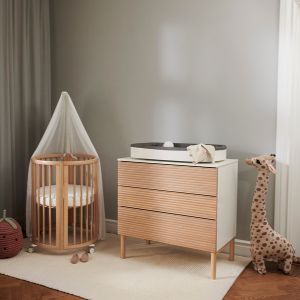





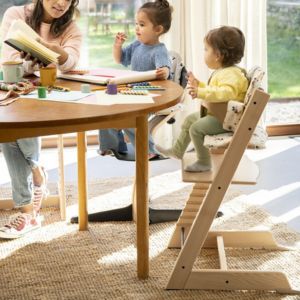

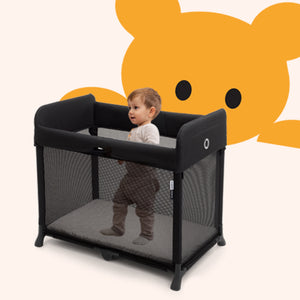
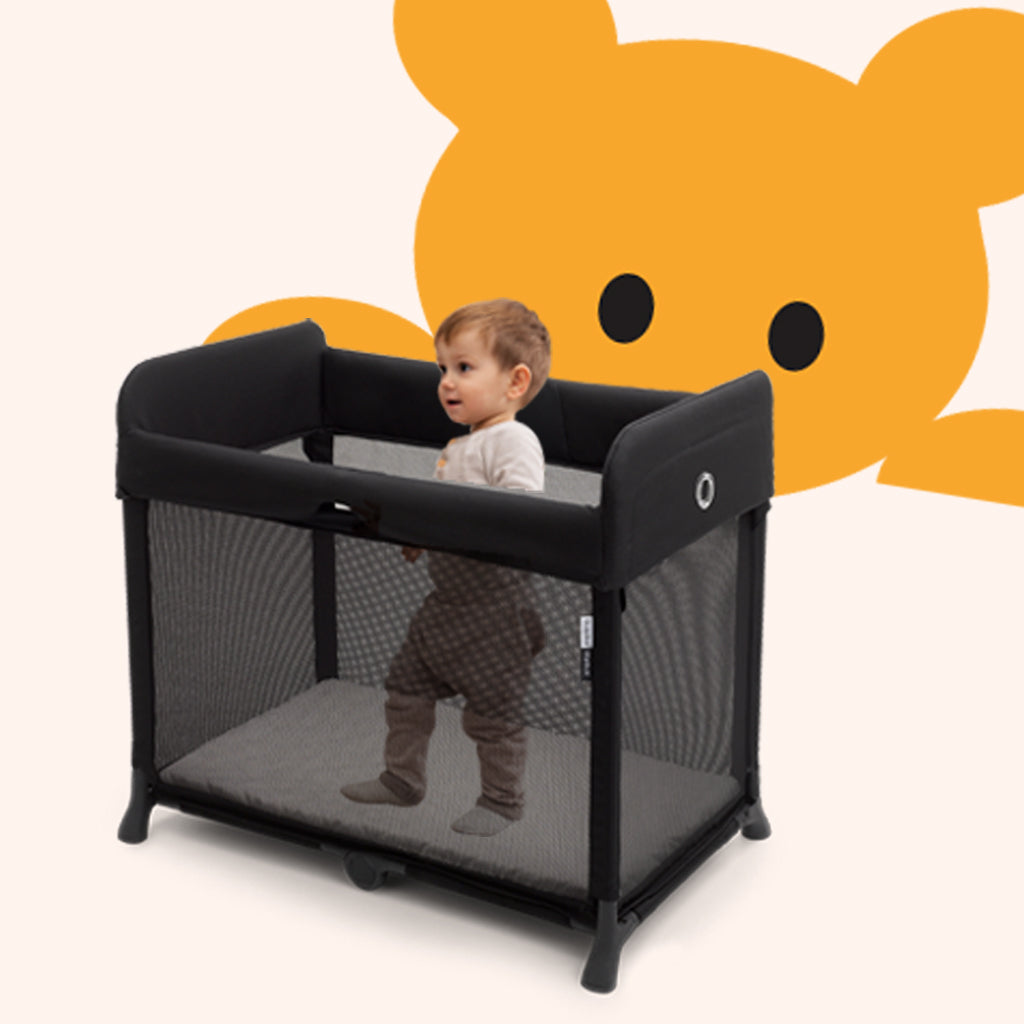

















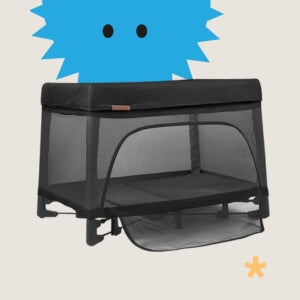




The first months are measured in night feeds. Getting up, crossing a cold floor, settling a baby, then doing it again ninety minutes later. A bedside bassinet closes that distance to an arm's length, so your baby has their own safe sleep space while staying right where you can see and hear them.
Australian safe sleep guidance encourages sharing a room with your baby for the first six to twelve months, in their own separate sleep space rather than in the adult bed. A bedside sleeper is designed for exactly that arrangement. Your baby lies on their own firm, flat mattress, and you're close enough to settle them with a hand rather than getting up.
For anyone recovering from a caesarean or a difficult birth, that difference is enormous, and it's one of the reasons midwives so often suggest them. It helps with breastfeeding through the night as well, since you can reach your baby without leaving the bed.
Take two measurements before you order. The first is your mattress height from the floor, since the bassinet needs to adjust to sit level with it, and beds vary far more than people expect once you add a base and a pillow top. The second is the space beside your bed, allowing room for the legs and for you to walk past.
Check how the bassinet attaches, because most use straps that anchor to the bed frame, and a secure fit with no gap between the two surfaces is the thing to get right. Follow the manufacturer's instructions on when the side stays raised, and give the whole setup a firm push once assembled to satisfy yourself it doesn't shift.
Most babies move on from a bassinet somewhere between four and six months, or earlier if they're rolling or pushing up on their hands, and every manufacturer sets a weight limit worth checking. That sounds short, and it is, though those are the months where the difference matters most.
Some designs earn their keep beyond the bedside stage by converting to a standalone bassinet or a day-nap space in the lounge room, and lighter models can be wheeled between rooms so your baby naps near you during the day. When the time comes to move to a cot, doing it before your baby outgrows the bassinet rather than after tends to make the transition easier on everyone.
This is a deliberately tight range rather than a long one, because a bassinet sits beside your bed for months and we'd rather stock a couple we're confident in. Seena brings a contemporary Australian look in white and sandstone finishes, designed to sit in a bedroom without looking like nursery furniture.
Boori has been making cots and bassinets for Australian homes for decades, with the timber construction and finish quality the brand is known for. If you'd like to compare more sleep options, our bassinets and co-sleepers ranges are broader.
Once the bassinet's sorted, the rest of the night routine falls into place around it. You'll want spare sheets within reach, a sleeping bag suited to the season, and something to give you a little light without waking everyone. All of this is included in our nursery furniture & linen range:
If you'd like help working out what suits your bed and your room, our team can talk it through with you at Alexandria orMiranda, or you can book afree consultation.