

 New Arrivals
 Clearance
 GIFT CARDS








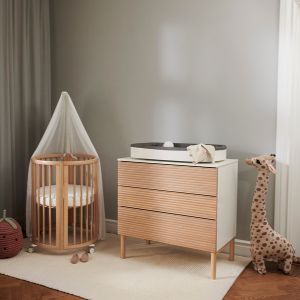





























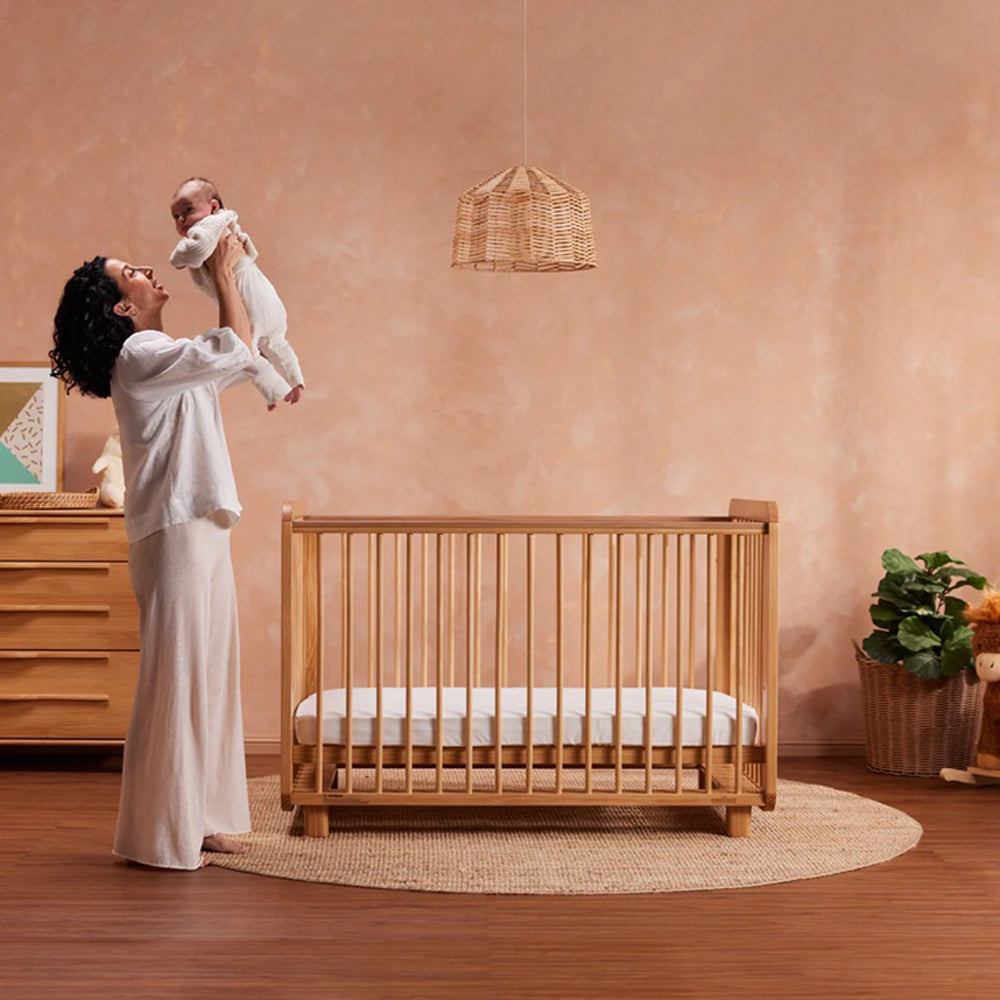

Infant sleep is often approached as something to fix, yet many parents still ask, What is the best sleep environment for a baby? The answer rarely lies in one product or one technique. Gentle newborn sleep support, combined with a thoughtful environment and a predictable rhythm, shapes how infant sleep develops over time. When parents understand how space, routine, and care interact, sleep tends to feel more manageable and sustainable.
Rather than chasing quick solutions, it helps to see sleep as a foundation built through environment, routine, and responsive care.
Why infant sleep works best as a system, not a single solution
When sleep feels difficult, it is natural to look for one missing piece. A different swaddle. A new white noise machine. A stricter plan.
However, infant sleep does not respond well to isolated changes. It is shaped by biology, development, sensory input, and emotional security all at once.
Many products promise better nights. Many techniques promise fast results. True newborn sleep support focuses less on control and more on creating conditions that allow sleep to unfold naturally.
When parents see sleep as a whole system, expectations shift. Instead of asking why something is not working, the question becomes how each part supports the others.
The role of environment, creating a sleep supportive space
When parents ask, what is the best sleep environment for a baby? the answer goes beyond just a cot. A supportive infant sleep environment considers light, sound, temperature and overall comfort - all working together to create a safe sleep environment that feels predictable and calming.
Light
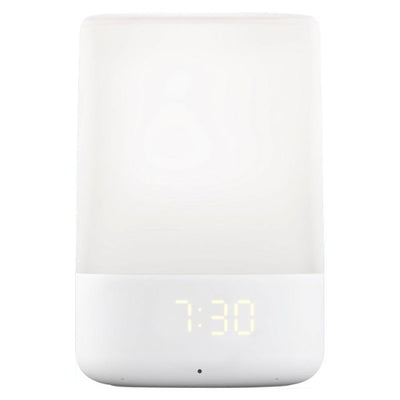
Soft, dim lighting before bed supports melatonin production.
Light plays a powerful role in regulating infant sleep. Babies are not born with fully developed circadian rhythms, which is why newborn sleep can feel unpredictable in the early weeks. Gradually exposing your baby to natural daylight during awake periods and creating a dim, calm nursery sleep setup in the evening helps their internal clock mature over time.
For the best sleep environment for a baby, aim to keep the bedroom dark during night sleep. Blackout blinds can help reduce early morning waking and prevent stimulation from outside light sources. A consistently dark space signals that it is time for rest and supports melatonin production, the hormone that promotes sleep.
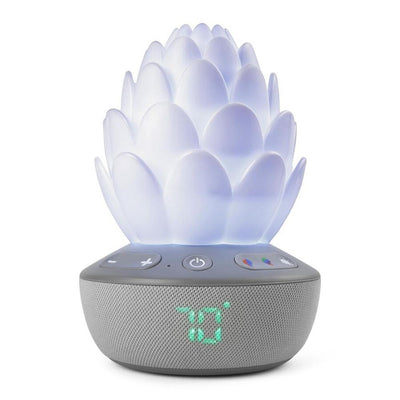
If you use a night light for feeds or nappy changes, choose a soft, warm-toned glow rather than bright white or blue light. Red or amber tones are less disruptive to infant sleep and help maintain a calm atmosphere. Keeping stimulation low during night wakings supports a smoother return to sleep and reinforces your infant sleep routine.
During daytime naps, complete darkness is not always necessary, especially for newborn sleep support. However, a softly dimmed room can reduce distractions and help babies settle more easily. As your baby grows, a consistent balance of bright days and dark nights strengthens their natural sleep-wake cycle and contributes to a healthy, safe sleep environment.
Sound
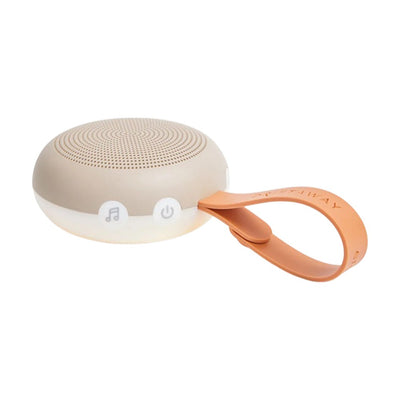
Consistent background noise, such as pink noise, can reduce sudden disruptions.
Sound can significantly influence infant sleep, especially in the early months. Many parents assume babies need complete silence, but this is not always the case. In fact, newborns are accustomed to constant noise from the womb, including heartbeat and blood flow, so total silence can sometimes feel unfamiliar.
For newborn sleep support, gentle background noise can be reassuring. Consistent white noise or low-level ambient sound may help mask sudden household noises that could otherwise disturb your baby’s sleep. In a well-planned nursery sleep setup, steady sound can create predictability and reduce startle responses.
If using white noise, keep the volume low and consistent throughout sleep periods. The sound should be softer than a normal conversation and positioned safely away from the cot to maintain a safe sleep environment. Avoid placing sound machines inside the crib or too close to your baby’s head.
During night wakings, keep voices calm and quiet. Minimising stimulation supports your infant sleep routine and signals that night-time is for rest. Over time, this consistency helps babies differentiate between day and night, strengthening healthy infant sleep patterns.
As babies grow, they may become more aware of environmental sounds. Maintaining a predictable sound environment (whether that includes gentle white noise or simply a quiet, calm space) helps reinforce emotional security and smoother transitions to sleep. You can learn more in our Pink Noise Benefits guide.
Temperature
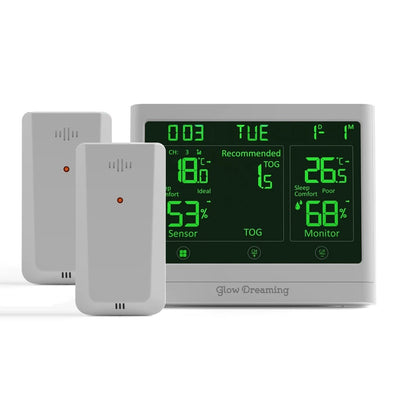
Room temperature plays an important role in supporting healthy infant sleep. Babies are more sensitive to heat than adults, and overheating can disrupt sleep and compromise a safe sleep environment. Keeping the room comfortably cool rather than overly warm, helps promote deeper, more settled rest.
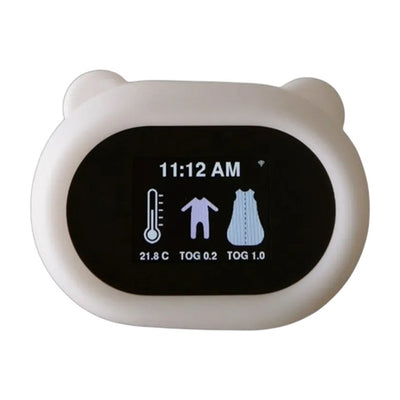
Choosing the right sleepwear matters. Dressing your baby appropriately for the room temperature supports both comfort and safety, particularly in the early months when temperature regulation is still developing. Layering breathable fabrics allows you to adjust easily as seasons change, while avoiding loose blankets helps maintain a safe sleep environment. Follow our TOG Rating guide to undertstand how to dress baby appropriately for room temperature and create a balanced newborn sleep environment.
When checking if your baby is comfortable, feel their chest or back rather than their hands or feet, which are often naturally cooler. Small adjustments to clothing are usually more effective than changing the room temperature drastically. A consistent approach to warmth supports smoother transitions within your infant sleep routine.
Comfort
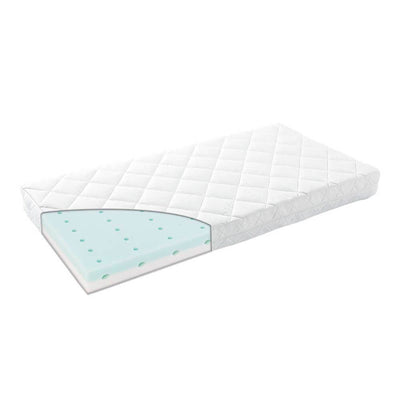
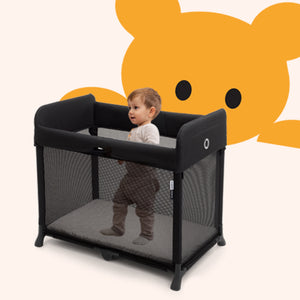
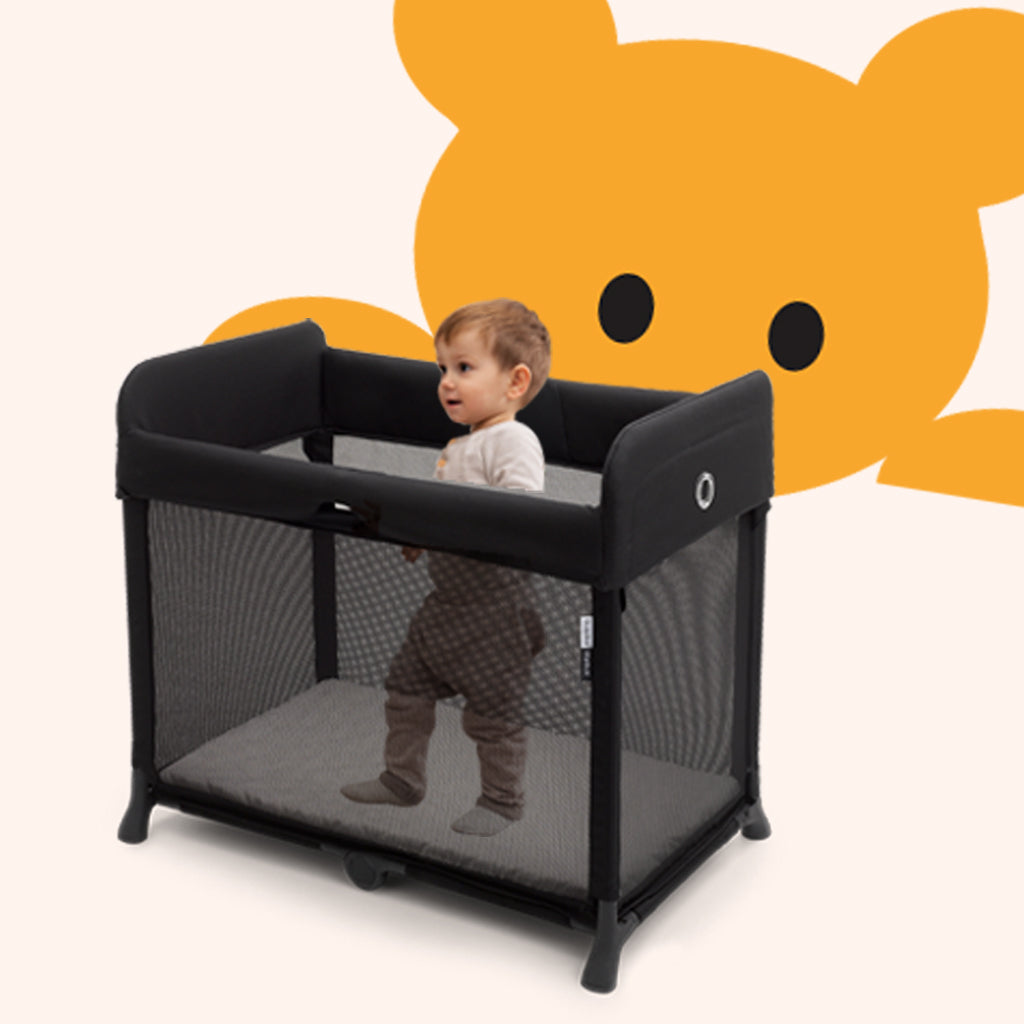
Comfort in a nursery sleep setup goes beyond softness. It’s about creating a secure, breathable and uncluttered space that supports infant sleep. A firm, flat sleep surface is essential for a safe sleep environment and helps babies rest without unnecessary stimulation.
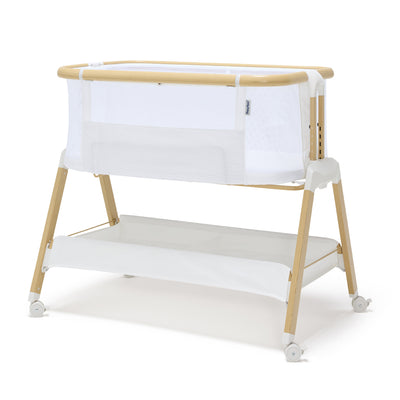
A quality mattress and breathable bassinet help support airflow and overall comfort, particularly in the early months when newborn sleep support focuses on safety and simplicity. Keeping the cot free from pillows, bumpers and loose items not only aligns with safe sleep guidance but also reduces distractions as your baby settles.
As babies grow, familiarity within their sleep space becomes part of their infant sleep routine. The feel of the mattress, the predictability of the space and the consistency of their nursery sleep setup all contribute to emotional security. Our Choosing the Best Bassinet guide explores what to look for when creating a supportive newborn sleep environment.
A calm newborn sleep environment supports rest. It does not enforce it. Products can assist a nursery sleep setup, but they do not replace connection or routine. For more detailed guidance, explore our Baby Safe Sleep resource. The foundations that form a safe sleep environment should always come first. Once safety is established, the broader nursery sleep setup can gently support rest.
Routine without rigidity, how patterns help babies feel secure
A baby bedtime routine is not the same as a strict schedule. Schedules follow the clock. An infant sleep routine follows a predictable sequence.
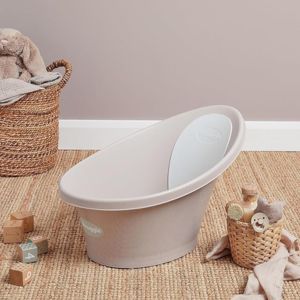
Bath. Pyjamas. Feed. Song. Cot.
Even if bedtime shifts by half an hour, following the same steps in the same order helps your baby recognise what is coming next and feel safe.
The timing may vary slightly each night, but the pattern stays familiar. A consistent bedtime routine helps babies anticipate what comes next, supporting emotional security and smoother transitions to sleep.
For newborns, flexibility remains important. Their rhythms are still developing, so gentle repetition matters more than exact timing. As babies grow, a sleep routine can gradually become more defined.
Our Baby Sleep Guide explores age-appropriate expectations in detail.
Care and responsiveness, why babies need help to sleep
Biologically, babies are wired for closeness. Their nervous systems are still developing. Feeding, rocking, holding, and soothing are not bad habits. They are regulation tools.
Effective newborn sleep support recognises that independence develops gradually. Night waking is normal. Seeking comfort is normal. Needing help is normal.
Swaddling can provide containment and reassurance. Our How to Swaddle a Baby guide explains how to do this safely. Daytime connection also influences night sleep. Babywearing, for example, can support regulation. Explore BV's Best Baby Carrier guide for practical advice.
Responsive care strengthens the entire infant sleep routine because security supports rest.

How environment, routine and care work together in real life
No single pillar works alone.
A calm newborn sleep environment may reduce stimulation. Without a predictable baby bedtime routine, sleep may still feel unsettled.
A consistent infant sleep routine signals bedtime. Without responsive care, babies may struggle to settle.
A thoughtfully designed nursery sleep setup creates physical comfort. A safe sleep environment ensures security. Responsive newborn sleep support provides emotional regulation.
Together, these elements build sustainable infant sleep.
For example:
A dim room paired with a consistent baby bedtime routine and gentle feeding support.
A clear cot within a safe sleep environment, combined with predictable cues and comfort when needed.
Small adjustments across environment, routine, and care often create more meaningful change than focusing on only one area.
Common sleep myths that weaken the foundation
“They will sleep if they are tired enough.”
Overtired babies often sleep worse.
“Good sleepers do not need help.”
All babies need support at times.
“The right product will fix sleep.”
Products can assist a nursery sleep setup, but they cannot replace responsive newborn sleep support.
These myths increase pressure. Pressure rarely improves infant sleep.
If you are unsure where to begin, our Baby Sleep Guide offers balanced, practical education.
Setting up a nursery that supports rest without overdoing it
top nursery trends to get inspired from. When asking, What is the best sleep environment for a baby? The answer is usually simpler than expected.
A supportive nursery sleep setup includes:
- A firm, flat mattress. See our Importance of a Quality Mattress guide.
- A clear cot within a safe sleep environment.
- Breathable sleepwear suited to room temperature.
- Adjustable lighting for day naps and night sleep.
A well planned newborn sleep environment supports both daytime and nighttime rest. It should also feel practical for parents to maintain consistently.
When sleep feels hard despite doing everything right
Even with a steady infant sleep routine, a calm newborn sleep environment, and consistent newborn sleep support, sleep can fluctuate.
Growth spurts. Developmental leaps. Teething. Illness. Changing feeding patterns.
Some nights will feel effortless, others unpredictable, and sometimes everything that worked yesterday suddenly stops working today.
Consistency helps. Predictability is never guaranteed. Challenging phases are part of normal infant sleep development, and not necessarily a sign that anything is wrong.
Self‑compassion matters just as much as structure, because caring for a baby means caring for yourself through the messy, beautiful, exhausting ebb and flow of it all.
How Baby Village helps parents build strong sleep foundations
At Baby Village, we understand that questions about infant sleep can feel overwhelming.
We help families:
- Create a safe and practical nursery sleep setup
- Understand the elements of a safe sleep environment
- Build a realistic baby bedtime routine and infant sleep routine
- Access education around gentle newborn sleep support
Sometimes a calm conversation with someone experienced can make all the difference!
Strong sleep foundations are built, not bought
Healthy infant sleep develops when environment, routine, and care support each other.
A secure newborn sleep environment and safe sleep environment create physical safety. A consistent baby bedtime routine and infant sleep routine build predictability. Responsive newborn sleep support fosters trust and regulation. There is no one version of a ‘perfect; night. We believe more in steady, informed support over time.
Need a hand choosing the right product? Chat with our team online or visit us in store - we're here to help.