

 New Arrivals
 Clearance
 GIFT CARDS








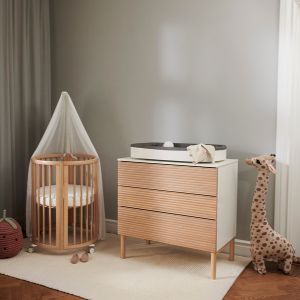























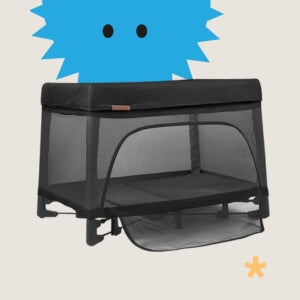




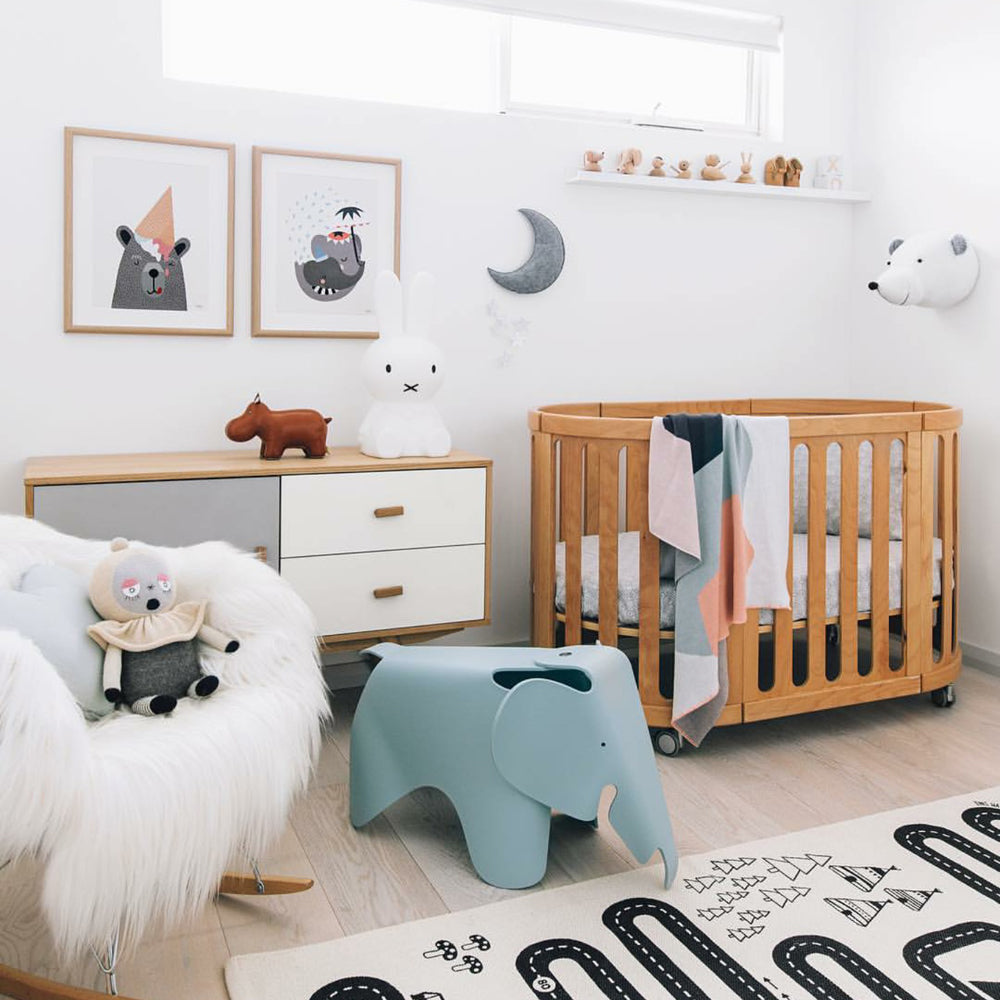
When planning nursery essentials, many parents feel pressure to buy every item at once. But the truth is, most baby nursery essentials are needed in stages, and smart choices in nursery furniture can carry you from newborn days through toddlerhood. Instead of overfilling the room before your baby arrives, this guide will help you approach long term nursery planning with confidence, prioritise what truly matters, and build a nursery that evolves over three years or more.
Because a nursery is not a one time setup. It is a space that grows alongside your child.
Think in Stages, Not Shopping Lists
One of the most common mistakes in long term nursery planning is approaching the space as a single shopping event. Many expecting parents feel they must complete the entire room before the baby arrives. In reality, this often leads to unnecessary spending and furniture that no longer suits your needs just months later.
Babies change rapidly, particularly in the first year. A nursery layout that feels perfect for a sleepy newborn may feel cramped or impractical once rolling, crawling and pulling to stand begin.
Instead of buying everything upfront, consider a simple three stage approach:
-
Stage 1: Newborn 0 to 3 months
-
Stage 2: Baby 3 to 12 months
-
Stage 3:Toddler 12 months to 3 plus years
This staged method keeps your nursery functional, flexible and aligned with real developmental milestones. It also protects your budget and reduces clutter.
Stage 1: Newborn 0 to 3 Months - What You Actually Need Now
In the early weeks, nursery essentials revolve around three core needs: sleep, feeding and changing.
Despite beautifully styled rooms online, newborns require very little physical space. Many Australian families find their baby spends much of the day in a bassinet, in a carrier, or being held.
Your true baby nursery essentials at this stage include:
A safe sleep space
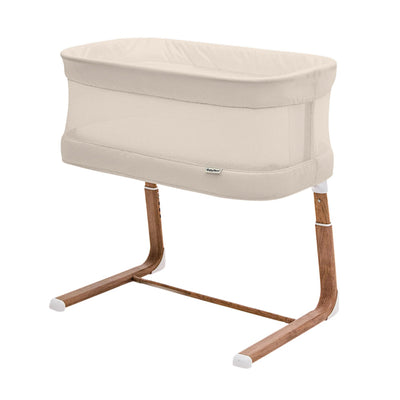
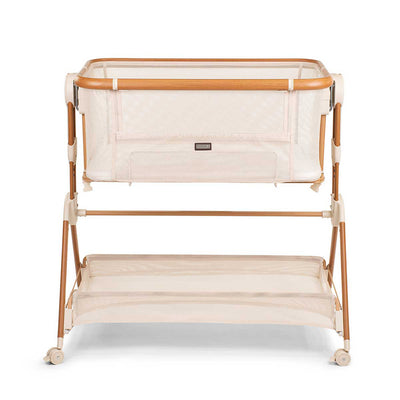
A bassinet or bedside sleeper is usually sufficient in the early weeks. Read more in our guide to Choosing the Best Bassinet.
The BabyRest Swan Smart Bassinet and Cocoon Breeze Co-Sleeper Bassinet are two of the latest innovative options for bassinets in 2026, tested to the latest Safe Sleep Standards.
A full sized cot can often wait if space or budget is limited. Many families transition from bassinet to cot around three to four months, depending on growth and developmental readiness.
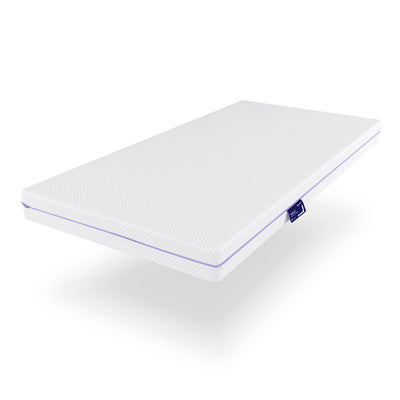
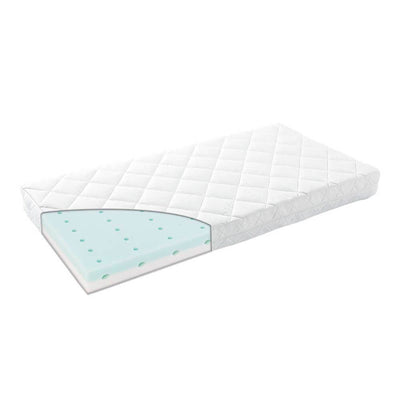
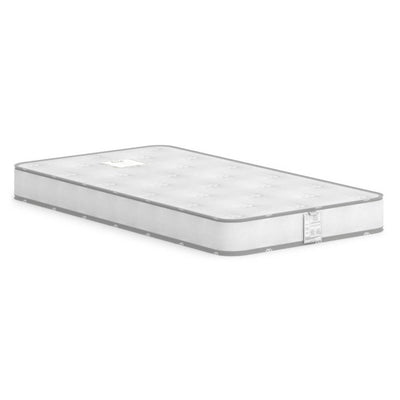
When that transition happens, investing in a new, high-quality cot mattress is essential for safe sleep. Options such as the BabyRest DuoCore Cot Mattress, Leander Linea & Luna Cot Mattress, and Boori Rolled Pocket Spring Mattress are designed to meet strict breathability, firmness, and safety standards in line with current Australian guidelines. Mattresses should always be purchased new to ensure hygiene, structural integrity, and compliance.
A safe sleep surface should be with a high quality mattress. Learn why this matters in Importance of a Quality Mattress.
A secure changing area
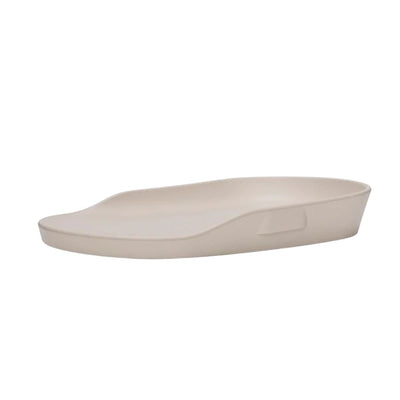
A sturdy dresser paired with a quality change mat offers more longevity than a standalone change table.
Consider from these three practical change mat options:
Each provides a wipeable, waterproof surface suitable for daily use.
A supportive feeding chair
A comfortable chair that supports your back and arms during long settling sessions, may become one of the most used nursery furniture pieces in the first six months.
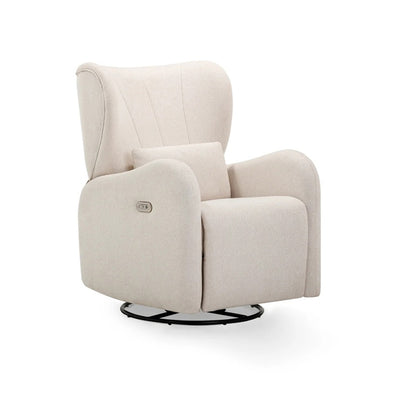
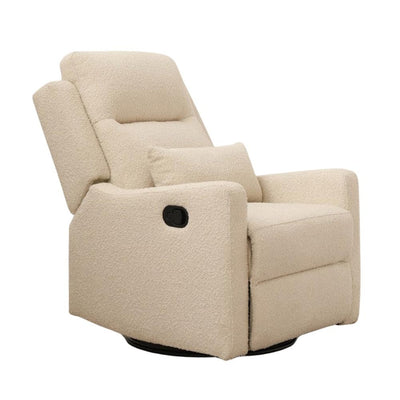
Options such as the Babyrest Celeste Nursing Chairand Cocoon Rio Manual Recliner offer ergonomic support for long feeding sessions and can transition into reading chairs as your child grows.
Practical nursery storage ideas
Simple, practical storage helps make daily routines easier in the early weeks. A portable option such as the Seena Migo Caddy Bag keeps nappies, wipes and feeding essentials organised and easy to move from room to room. At this stage, minimal storage is usually sufficient for nappies, wraps and small clothing. Drawer dividers, small baskets and clearly labelled containers reduce daily overwhelm without overfilling the space.
The key message for Stage 1 is this: focus on function, comfort and safety. Decorative elements can evolve over time.
Stage 2: Baby 3 to 12 Months - When the Nursery Activates
This is when your nursery setup checklist begins to expand. Rolling turns into crawling. Crawling turns into pulling to stand. Suddenly, open floor space becomes more valuable than decorative furniture.
Key updates during this stage include:
-
Transitioning from bassinet to cot.
Explore your best cot options available, through this BV guide catered for Australians: Best Cots Australia. -
Reassessing sleep safety as mobility increases.
Revisit Baby Safe Sleep: Baby Safe Sleep. - Creating a soft, safe play zone within the nursery.
- Introducing functional toy storagethat supports both accessibility and easy clean up.
- Beginning early baby proofingsuch as anchoring nursery furniture securely to the wall and managing blind cords and cables.
This is where thoughtful nursery storage ideas truly make a difference. Low open baskets, modular cube units and labelled tubs allow toys to rotate easily and prevent overwhelm. Storage should work for parents first, then gradually support independence as your baby grows.
Planning ahead during this stage ensures your nursery furniture can accommodate increasing activity without requiring a full redesign.
Choosing nursery furniture that grows
When transitioning to a cot, consider long-term value.
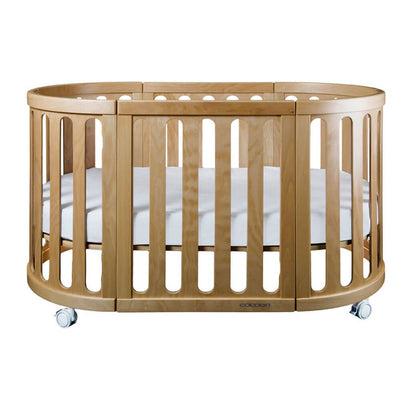
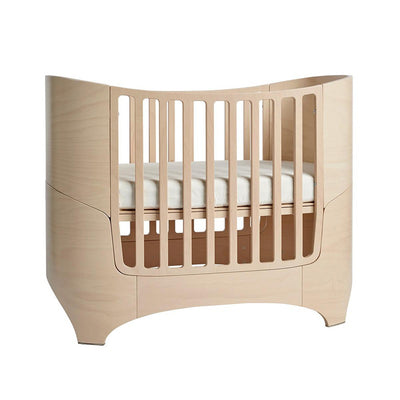
Convertible options such as the Leander Classic Cot and Cocoon Evolve Cot are designed to grow with your child. For families wanting flexibility, the Cocoon Nest 4-in-1 Cot offers mobility and practicality.
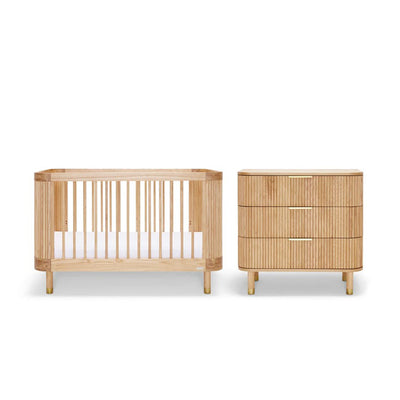
If you prefer a coordinated solution, the Juno Cot Trio Package combines cot, dresser and mattress into one streamlined nursery furniture setup.
Monitoring and sleep support
Technology should always be purchased new to ensure warranty coverage and correct safety standards.
Leading monitor options include:
White noise machinescan help create consistent sleep cues. Blackout blindsare another worthwhile nursery investment. Depending on room orientation, consider both light-filtering and full blackout options.
Safety updates - Stage 2
As mobility increases, review safety regularly:
- Anchor nursery furniture securely
- Manage blind cords and cables
- Install outlet covers
- Reassess potential hazards
Safe nursery planning is an ongoing process, not a one-time checklist.
Stage 3: Toddler 12 Months to 3 Plus Years, Designing for Independence
By the toddler stage, the nursery becomes your child’s room in a meaningful way. It is no longer just a sleep space. It becomes a place for play, books, imagination and early independence. Nursery furniture must now withstand climbing, jumping and energetic exploration.
Important considerations include:
- Cot to toddler bed transitions using conversion kits where available
- Low shelving that allows toddlers to access books and toys safely
- A small reading nook to encourage early literacy habits
- Defined zones for sleep, play and quiet time
- Choosing baby furniture that grows with child needs in mind reduces replacement costs. Convertible cots, adjustable shelving and durable materials offer long term value.
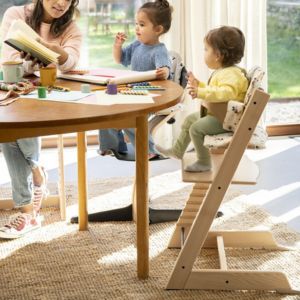
Some of the best examples of baby furniture that grows with child needs are found at the dining table. High chairs may seem separate from nursery planning, but they reflect the same long term thinking principles.
The Leander Louie High Chair, for example: it’s key characteristic is adaptability. Designed to support children through multiple stages, it promotes proper posture and comfort as your child grows. Rather than being outgrown in twelve months, it is built to remain part of your family routine for years.
This kind of design reinforces the value of investing once in quality, adaptable pieces rather than replacing furniture repeatedly as your child grows.
Read through BV’s Pick of the Best High Chairs.
Thinking beyond the nursery walls helps parents see the bigger picture. Adaptability, durability and long term value are principles that apply to every stage of childhood.
Adaptable furniture supports independence while maintaining safety.
Worth Investing in Early - Buy Quality Once
Not everything needs to be purchased immediately. However, certain pieces are worth investing in from the beginning. When approaching long term nursery planning, consider cost per use across three to five years.
-
Convertible cot with toddler kit
A well built cot that converts extends far beyond the newborn stage. -
Solid dresser that doubles as a change station
A sturdy dresser can last well into primary school years. -
Blackout solutions
Sleep remains important well beyond infancy. -
Comfortable feeding chair
Often used daily for many months, sometimes years. -
Adjustable shelving systems
Storage needs will change. Flexible shelving adapts accordingly.
Quality nursery furniture reduces the need for replacements, supports long-term durability and enhances safety. That said, aesthetics and design trends remain an important consideration for many families. Explore Top Nursery Trends for inspiration that complements long-term investment choices
Trends may inspire design, but longevity is a better factor to consider, for guiding investment decisions.
What Can Wait or Be Skipped Entirely
Marketing can often create an unneeded sense of urgency around items that may not serve your family long term.
Often unnecessary early purchases include dedicated changing tables that cannot be repurposed, highly themed decor that dates quickly, short use of convenience gadgets, overbuying newborn clothing sizes, specialised lighting systems beyond basic functional needs etc.
Important reminder: function and adaptability will always outlast trends.
What you should always buy new
Certain baby nursery essentials should never be purchased secondhand due to safety and compliance concerns.
These include:
- Mattresses
- Car seats
- Wearable monitors (See Top Baby Monitors)
- Products with safety certifications that cannot be verified
Safety-critical nursery essentials should always meet current Australian standards.
Safety Across Stages, What Changes as Your Child Grows
Safety evolves as mobility increases.
During the newborn stage, priorities include:
- A clear sleep surface
- No loose bedding
- Correct mattress fit
As your baby becomes mobile:
- Anchor all nursery furniture securely to the wall
- Secure blind cords and manage cables
- Install outlet covers
- Regularly reassess potential hazards
It is always a good idea to revisit safe sleep guidance for confirmation and reassurance.
Safety should be reviewed at every developmental milestone.
Planning a Nursery Layout That Evolves
Before purchasing nursery furniture, visualise how the room will function in two years:
- Wherewill the cot move when you convert to a toddler bed?
- Is there adequate floor space for crawling and active play?
- Willfurniture block clear walking pathways?
- Canshelving heights be adjusted as your child grows?
Designing with flexibility in mind prevents expensive room overhauls later.
Common Nursery Mistakes Parents Wish They Avoided
- Overbuying before understanding real daily needs
- Choosing style over practical storage
- Skipping furniture anchoring
- Buying inexpensive furniture that needs replacing quickly
- Underestimating how quickly toys accumulate
Learning from these experiences can support smarter decision making.
A Simple Decision Framework Before You Buy
Before adding to your nursery setup checklist, ask:
- How long will we realistically use this?
- Does it serve more than one purpose?
- Is it safety critical?
- Can it adaptas our child grows?
If an item does not satisfy at least two of these questions, it may not be essential.
A Staged Shopping Plan That Protects Your Budget
Buy before birth:
- Bassinet or bedside sleeper
- Changing pad and covers
- Basic storage
- Comfortable seating
Buy in the first 3 months:
- Cot when transition is needed
- Extra storage solutions
- Blackout options if required
Wait until 6 plus months:
- Toddler bed conversion kits
- Large toy storage systems
- Activity specific furniture
This structured nursery setup checklist approach keeps spending aligned with real needs rather than assumptions.
How Baby Village Helps Parents Plan for the Long Term
At Baby Village, we encourage families to think beyond the newborn stage. Our guidance focuses on safety, longevity and real world routines rather than short-lived trends.
Through our free in-store consultations, we support thoughtful long-term nursery planning. Whether you are selecting nursery furniture, refining your nursery setup checklist, or narrowing down baby nursery essentials, our team is here to guide you with practical, experience-based advice.
A calm, informed plan now can save money and stress later.
A well-planned nursery works best when flexibility, safety and long-term thinking support each other. Thoughtful long-term nursery planning reduces clutter and overspending. Choosing adaptable nursery furniture creates a space that evolves from newborn to toddler. Focusing on practical nursery essentials ensures your baby nursery essentials serve real daily needs, not just trends. There is no single perfect nursery. We believe in steady, informed decisions that grow with your child over time.
Explore Baby Village’s expert resources to plan with confidence. From nursery setup checklist guidance to smart nursery storage ideas, our team is here to help you invest wisely.
Need a hand choosing the right product? Chat with our team online or visit us in store - we're here to help.





![Cocoon Evolve 4in1 Sandstone [BUNDLE] ONLY](http://www.babyvillage.com.au/cdn/shop/files/135531.jpg?crop=center&height=400&v=1734322857&width=400)