

 New Arrivals
 Clearance
 GIFT CARDS

































Understanding bub’s development milestones is one of the most common concerns for new parents. In the first year, your baby is constantly learning how to move, build strength and explore their surroundings. These early movements form the foundation for confidence, coordination and independence.
From lifting their head to rolling, sitting, crawling and eventually walking, each stage builds on the last. While every baby develops at their own pace, there are clear patterns parents can support through everyday interaction, safe environments and simple developmental play for babies.
This guide explains what to expect from 0 to 12 months and how to support movement using practical, gentle strategies that fit naturally into daily life.
Month 0–2 — Getting Used to Gravity
Movement focus: Head control, body awareness, early strength
What to expect
During the first two months, your baby is adapting to movement outside the womb. Most movements are reflexive at first, but you will begin to notice small signs of control such as brief head lifting, turning toward sound and gentle kicking. These early movements are the starting point of all future baby development milestones.
What parents can do
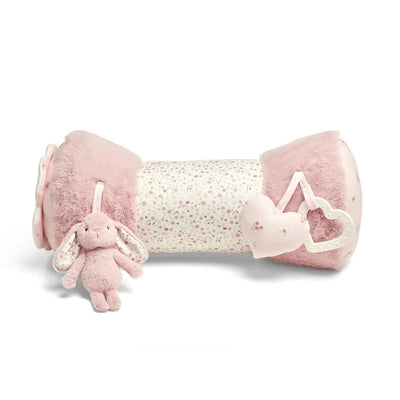
At this stage, tummy time is one of the most effective ways to support movement. Short, frequent sessions help strengthen your baby’s neck, shoulders and upper body. You can begin with chest to chest positioning, which feels safe and familiar while encouraging head lifting. Gentle movement during nappy changes, such as slowly turning your baby from side to side, also supports body awareness.
Supportive setup
A calm and safe environment encourages movement. A soft, flat tummy time mat or cushioned play surface allows your baby to move comfortably. Keeping the area simple and distraction free helps your baby focus on developing strength and control.

Month 3–4 — More Control, More Curiosity
Movement focus: Neck strength, pushing up, visual engagement
By three to four months, your baby begins to gain more control over their body. Head control becomes stronger, and during tummy time, many babies push up through their arms. At the same time, visual tracking improves, and your baby starts following faces, toys and movement around them. This stage reflects both physical growth and early stages of play development.
Parent strategies
Increasing tummy time gradually helps build endurance and strength. Engaging in baby development play by getting down to your baby’s level encourages interaction and movement. Placing toys within view but slightly out of reach motivates your baby to stretch, reach and push up.
Support tips
Creating a safe, comfortable floor space is key. Using high contrast or colourful toys can help capture your baby’s attention and encourage movement. A consistent play area supports both physical and sensory development.

Month 5–6 — Rolling and Exploring
Movement focus: Rolling, coordination and interaction
At this stage, rolling becomes more intentional. Many babies begin rolling from tummy to back and may start rolling both ways. Hand coordination improves, allowing babies to reach, grasp and explore objects more actively. These movements are a core part of early baby development play.
Activities
Encouraging rolling can be done through simple, everyday interactions. Placing toys slightly out of reach encourages your baby to shift their weight and move side to side. Gently guiding rolling during play can help your baby understand the movement pattern and build confidence.
Helpful tools
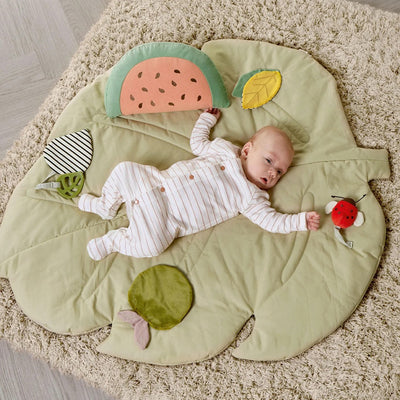
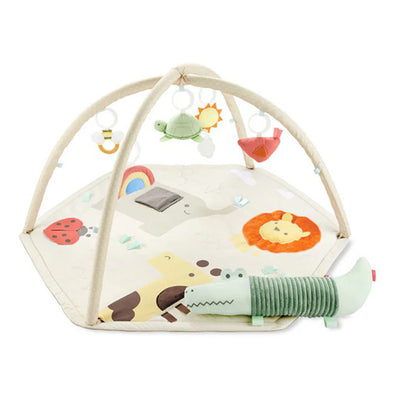
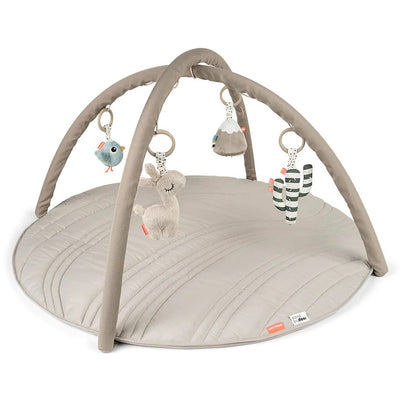
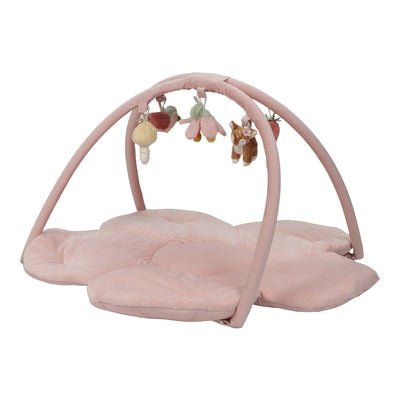
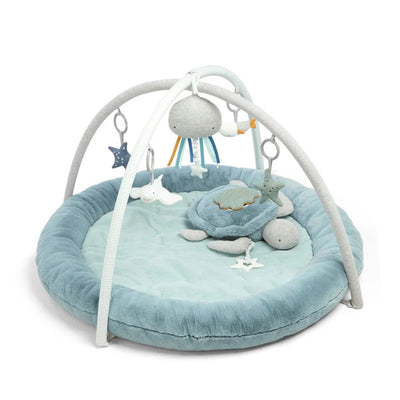
Activity gyms can support reaching and coordination by placing toys overhead. Soft play mats with textures or patterns can stimulate interest while providing a safe space for movement. These are useful baby activity essentials that support exploration without restricting movement.

Month 7–8 — Sitting and Balance
Movement focus: Independent sitting, stability and reaching
Between seven and eight months, many babies begin sitting with little or no support. This stage involves stronger core muscles, improved balance and more controlled reaching. Sitting allows babies to interact with their environment in new ways, supporting both movement and cognitive development.
Supporting your baby while they practice sitting helps build confidence. You can use your hands or soft cushions to provide stability while allowing your baby to move freely. Providing open floor space encourages natural movement and supports ongoing stages of play development.
Optional support
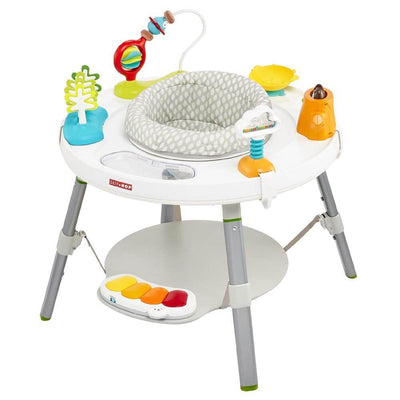
Baby floor seats or low activity setups can be used briefly and under supervision. However, they should not replace floor time, which remains essential for building strength and coordination.

Month 9–10 — Crawling and Moving Ahead
Movement focus: Crawling, mobility and exploration
Around nine to ten months, babies begin to move more independently. Crawling styles can vary widely, and all variations are part of normal baby milestones. Increased mobility allows babies to explore their environment, which supports both physical and cognitive development.
Creating simple obstacle paths using cushions or pillows encourages movement and problem solving. Encouraging your baby to move toward toys, sounds or familiar people helps build motivation. These activities reflect important baby activity essentials that support movement through play.
Practical setup
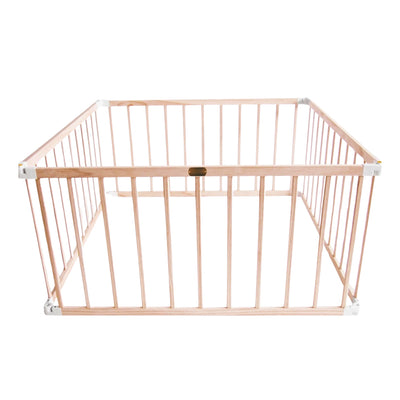
A safe play environment becomes increasingly important at this stage. Soft play fences or enclosed areas can help create boundaries while allowing freedom to explore. Lightweight push toys can support early standing and cruising when used appropriately.

Month 11–12 — Cruising to Walking
Movement focus: Pulling up, cruising and early steps
As your baby approaches 12 months, they may begin pulling themselves up using furniture. Many babies start cruising along surfaces and may attempt independent steps. The timing of walking varies, but these movements mark a key transition in baby development milestones.
Parent tips
Providing stable furniture helps your baby practice pulling up and standing. Supporting your baby while they take steps builds confidence and coordination. Focusing on encouragement rather than perfection helps your baby feel safe to explore movement.
Supportive environment
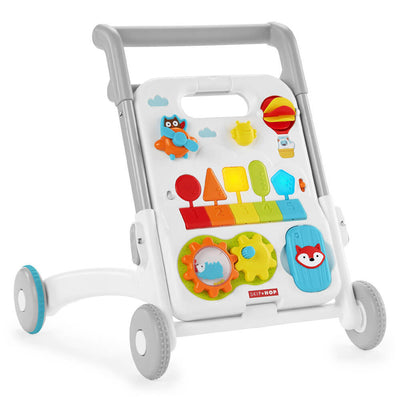
Soft rugs or play mats can improve traction and reduce slipping. Stable push walkers can provide additional support, but should be used in a way that encourages natural movement rather than dependency.

The Role of Tummy Time in Baby Movement
Tummy time is one of the most important development essentials for your baby in the first year and plays a direct role in nearly all major milestones. It strengthens the muscles needed for rolling, sitting, crawling and walking.
Regular tummy time builds strength in the neck, shoulders, arms and core. These muscles support posture, balance and coordination as your baby grows. Without enough tummy time, babies may take longer to develop the strength required for later movement stages.
Incorporating tummy time into everyday routines makes it easier to maintain consistency. Short sessions after naps, during play or on your chest can all contribute to your baby’s development. Over time, these small moments build confidence and physical strength.
Everyday Movement Support — Simple Principles
Supporting movement is less about structured routines and more about creating opportunities throughout the day. Floor time provides the foundation for movement, allowing your baby to explore freely in a safe environment.
Changing positions regularly helps your baby experience different movements and build strength across their whole body. Reducing time spent in containers such as bouncers or swings ensures your baby has more opportunities for active movement.
Encouraging open ended infant development play supports both physical and cognitive growth. Movement and play are closely connected, and simple interactions can have a significant impact over time.
Safety reminders
Always supervise your baby during play and movement. Ensure the space is free from hazards such as cords or sharp edges. A safe environment allows your baby to explore with confidence.
When to Raise Concerns
Every baby develops differently, but it is important to trust your instincts. If you notice persistent difficulty with head control, unusual stiffness or floppiness, or a loss of previously developed skills, consider speaking with a GP or child health nurse. Early support can provide reassurance and guidance if needed.
Things That Support Baby Movement
While movement is primarily driven by interaction, floor time and everyday baby development play, the environment you create can make a meaningful difference. The right baby activity essentials can gently support strength, coordination, curiosity and confidence, without replacing natural movement.
A well set up space invites your baby to move, reach, roll and explore naturally.
Foundational surfaces for safe movement
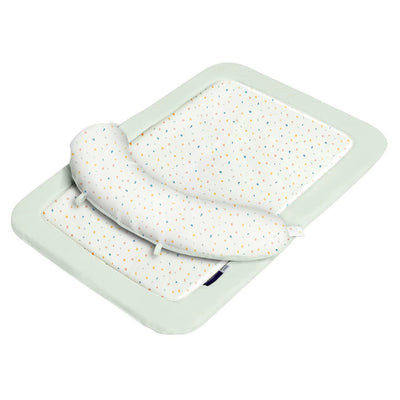
Safe, comfortable flooring is the starting point for all movement. Tummy time mats and padded play mats provide a stable base where your baby can practice lifting, rolling and eventually crawling.
At Baby Village, popular options like the Clevamama Newborn Tummy Time Mat or offer a balance of cushioning and firmness. These surfaces are designed to support movement while keeping your baby comfortable during longer periods of floor play.
Larger mats give your baby more room to explore different positions, which is essential as they progress through early baby milestones. These are considered core baby development essentials because consistent floor time supports every stage of movement.
Encouraging reaching, coordination and curiosity
As your baby grows, visual interest becomes a strong motivator for movement. Activity gyms and play gyms encourage babies to reach, stretch and engage their arms and core, which supports early hand eye coordination.
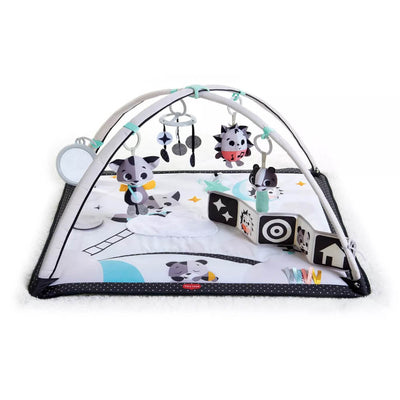
Play mats such as Skip Hop Acitivity Gym Range or Tiny Love's Magical Tales Gymini are designed with hanging toys that stimulate reaching and interaction. These gyms combine textures, movement and gentle visual elements to support both physical and sensory development.
Positioning toys slightly out of reach encourages your baby to move toward them, turning curiosity into action. This is a key part of both baby development play and early stages of play development.
Visual stimulation and tracking
Visual stimulation supports both attention and movement. High contrast patterns, mirrors and interactive elements encourage babies to track with their eyes, which often leads to head turning, pushing up and shifting their body.
The Done by Deer Floor Mirror Toy is a great example of a simple but effective tool. Babies are naturally drawn to faces, including their own reflection, which can help extend tummy time and encourage head lifting.
Play mats with subtle patterns, such as those from Skip Hop or Mamas & Papas, can also support visual engagement without overwhelming your baby.
Sound, interaction and motivation to move
Sound can play a powerful role in encouraging movement. Soft rattles, crinkle toys and sensory toys that respond to touch can motivate babies to turn, reach or crawl.
Items like the Done by Deer Sensory Rattle Set or Skip Hop Bandana Buddies Activity Toys introduce gentle sound elements that support cause and effect learning. When babies realise their movement creates a response, they are more likely to repeat the action.
Your own voice is just as important. Calling your baby, singing or talking from different directions encourages them to turn and move, combining emotional connection with physical development.
Supporting hand eye coordination and fine motor skills
Developing hand eye coordination is closely linked to movement. Lightweight toys that are easy to grasp help babies practice reaching, holding and transferring objects between hands.
Keeleco is a well known favourite because of its variety of designs, easy for small hands to grip. Soft textured toys from brands like DOne by Deer and Little Dutch also support sensory exploration and coordination.
These small interactions build the foundation for larger movements like rolling, sitting and crawling.
Teething comfort and its role in movement
Teething can sometimes affect your baby’s willingness to move if they are uncomfortable. Providing safe teething options helps keep them engaged in play and movement.
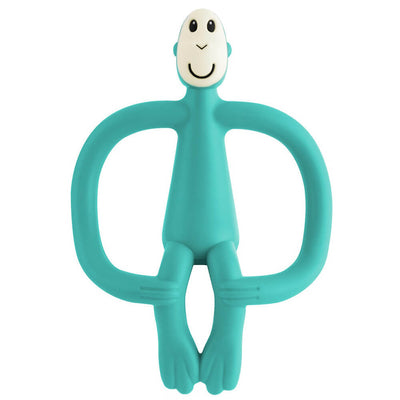
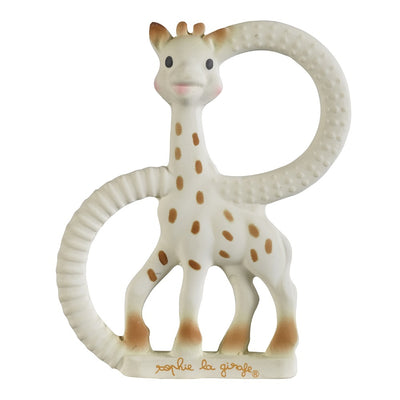
Brands like the Matchstick Monkey Teething Toys and the classic Sophie La Girafe offer soothing relief while remaining safe for chewing. Many of these teethers are lightweight and easy to hold like B. Box, which also supports fine motor development.
When babies are more comfortable, they are more likely to stay active and curious in their environment.
Creating safe spaces for exploration
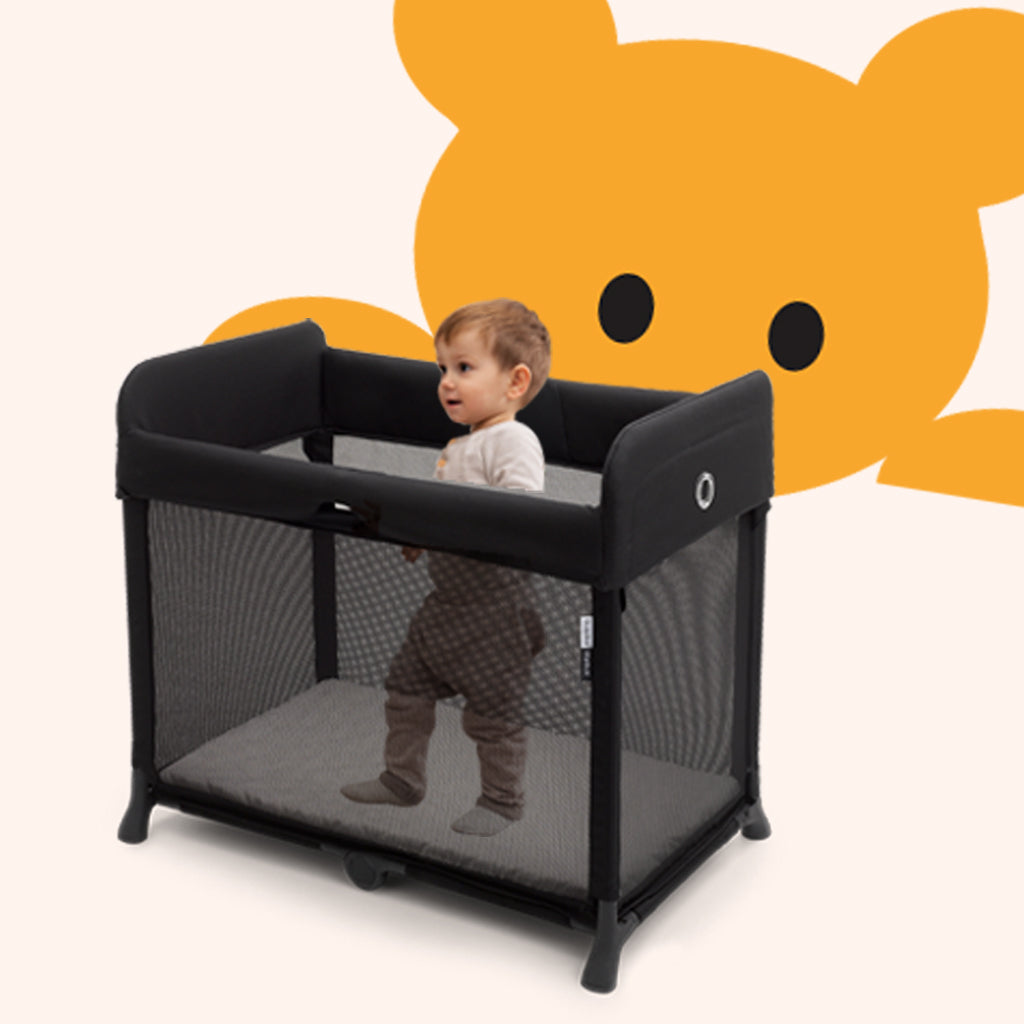
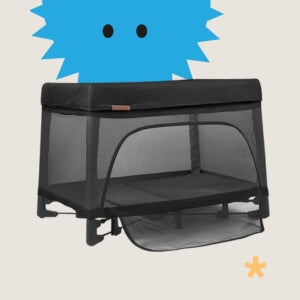
As mobility increases, creating a safe space becomes essential. Playpens or enclosed play areas allow babies to explore freely while keeping boundaries secure.
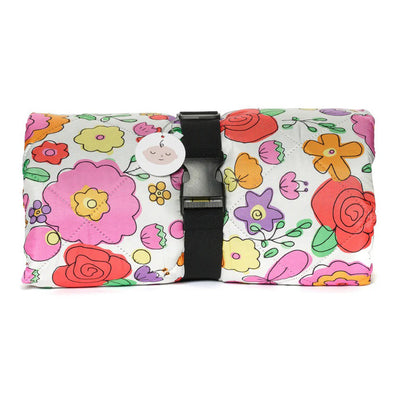
Options such as the IZIMINI Picnic Rug Collection or soft play mats combined with barriers can help create a flexible and safe environment. These setups support crawling and exploration, which are key parts of later baby milestones.
Open space within these areas encourages independent movement while still allowing supervision.
Supporting early standing and cruising
In the later stages of the first year, babies begin pulling up and cruising. Stable support can help build confidence during this transition.
Baby walkers at Baby Village include a variety of options in brands like Skip Hop and Little Dutch. These baby walkers support early standing and stepping when used appropriately. It is important that these tools are used alongside, not instead of, free movement.
Low furniture, soft rugs and stable surfaces also play an important role in helping babies practice standing and cruising safely.
A gentle reminder
All of these products are designed to support movement, not replace it. The most important elements remain consistent floor time, interaction and encouragement.
Simple actions like placing a toy just out of reach, engaging during tummy time or calling your baby toward you often have the greatest impact. When combined with a supportive environment, these small moments help your baby build strength, coordination and confidence naturally.
How Baby Village Supports Developmental Movement
At Baby Village, we support parents by combining practical guidance with carefully selected baby development essentials. Our goal is to help you understand your baby’s development while providing products that support movement in a safe and natural way.
Through expert advice, in store demonstrations and personalised recommendations, we aim to make everyday parenting more confident and informed. Movement is not something to rush, and we are here to support you at every stage.
Movement is Everyday Magic
Supporting your baby’s movement happens through simple, everyday moments. And this is about more than reaching milestones. It is about building confidence, encouraging curiosity and creating everyday opportunities for your baby to explore their world.
Through simple routines like tummy time, floor play and responsive interaction, you are helping your baby develop the strength and coordination they need for each stage of movement. With the right environment and gentle encouragement, movement becomes something your baby enjoys, and not something they are pushed toward.
If you are looking to support your little one’s development, you can explore Baby Village’s range of baby development essentials online, including tummy time mats, activity gyms, play mats and movement friendly toys.
Need a hand choosing the right product? Chat with our team online or visit us in store - we're here to help.