

 New Arrivals
 Clearance
 GIFT CARDS














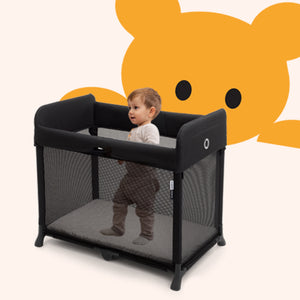
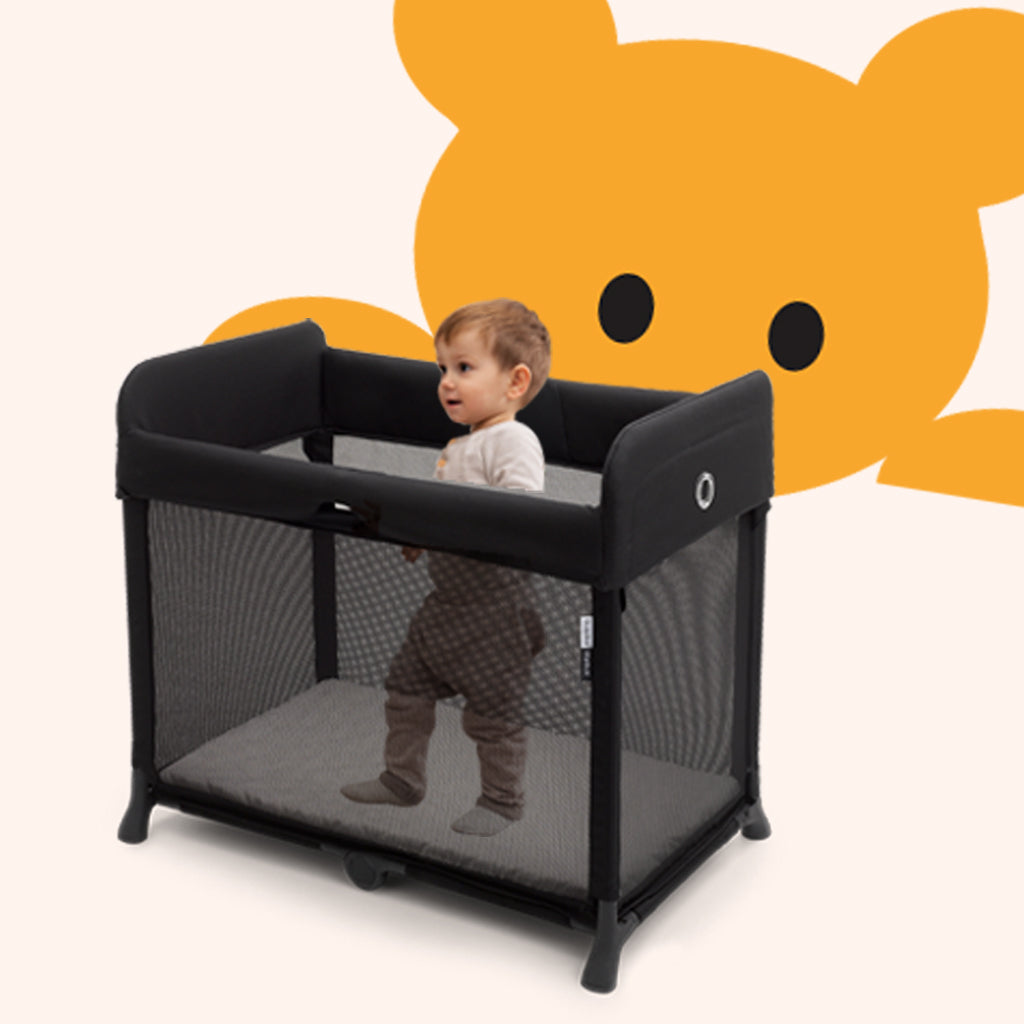


















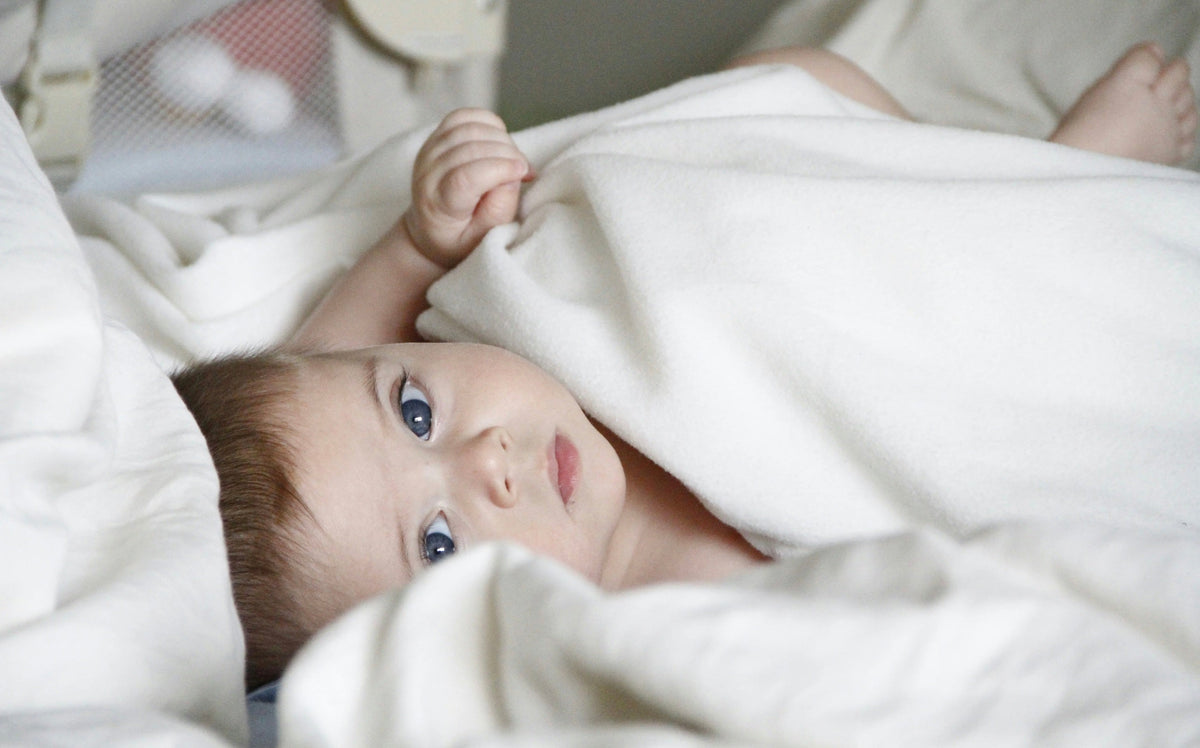
Creating a safe sleep environment for your baby is one of the biggest concerns for new parents. Questions about safe sleep for babies, room temperature, bedding and cot setup are common, especially in the early months when everything feels new and uncertain. Many parents search for clear guidance on safe sleep Australia recommendations, but the advice online can often feel overwhelming or contradictory.
Understanding safe sleep guidelines Australia follow does not need to be complicated. The key is focusing on evidence-based recommendations that prioritise baby safety while keeping everyday routines practical for families.
In Australia, the leading authority on infant sleep safety is Red Nose Australia , whose research-backed recommendations guide parents, health professionals and childcare providers nationwide. These guidelines form the foundation of modern baby safe sleep guidelines and aim to reduce the risk of Sudden Infant Death Syndrome (SIDS) and other sleep-related incidents.
In this guide, we explain how to create a safe sleep environment step by step. From cot setup and mattress firmness to room temperature and sleep positioning, this article translates official recommendations into clear, practical nursery advice so parents can feel confident about sleep safety for newborns.
What Are the Current Australian Safe Sleep Guidelines?
Australia’s official safe sleep guidelines Australia that parents are encouraged to follow, come from Red Nose safe sleeping recommendations. These evidence-based guidelines are widely used across hospitals and health services.
The six key recommendations are:
1. Sleep baby on their back
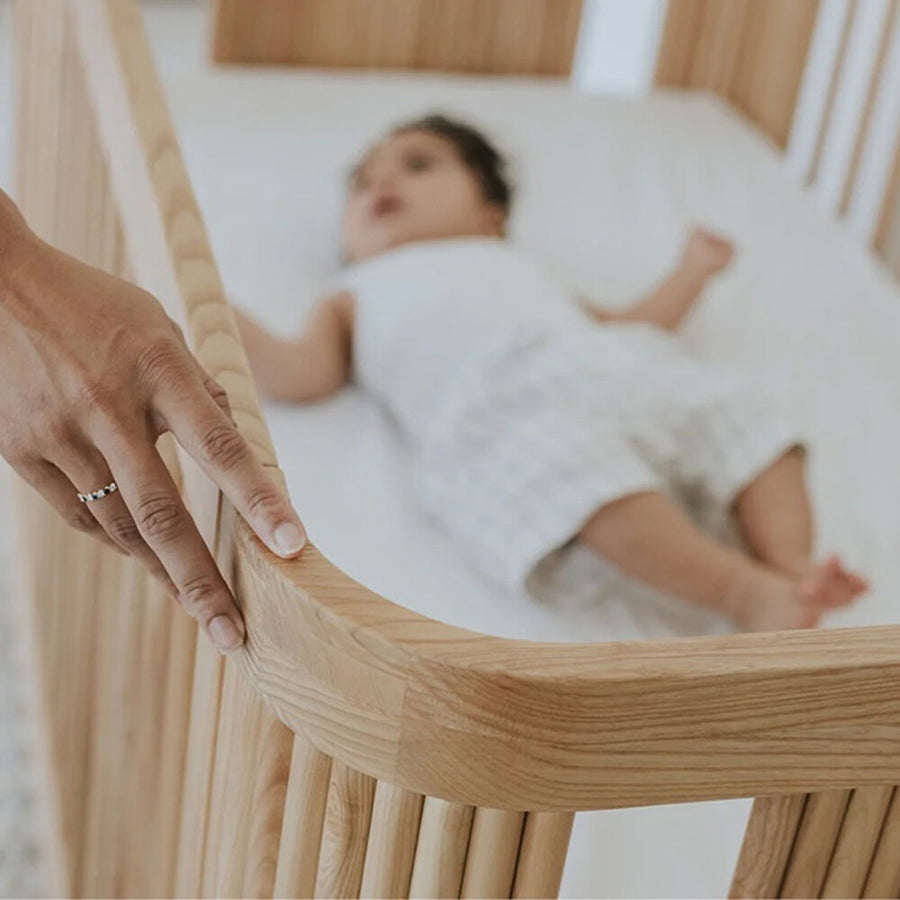
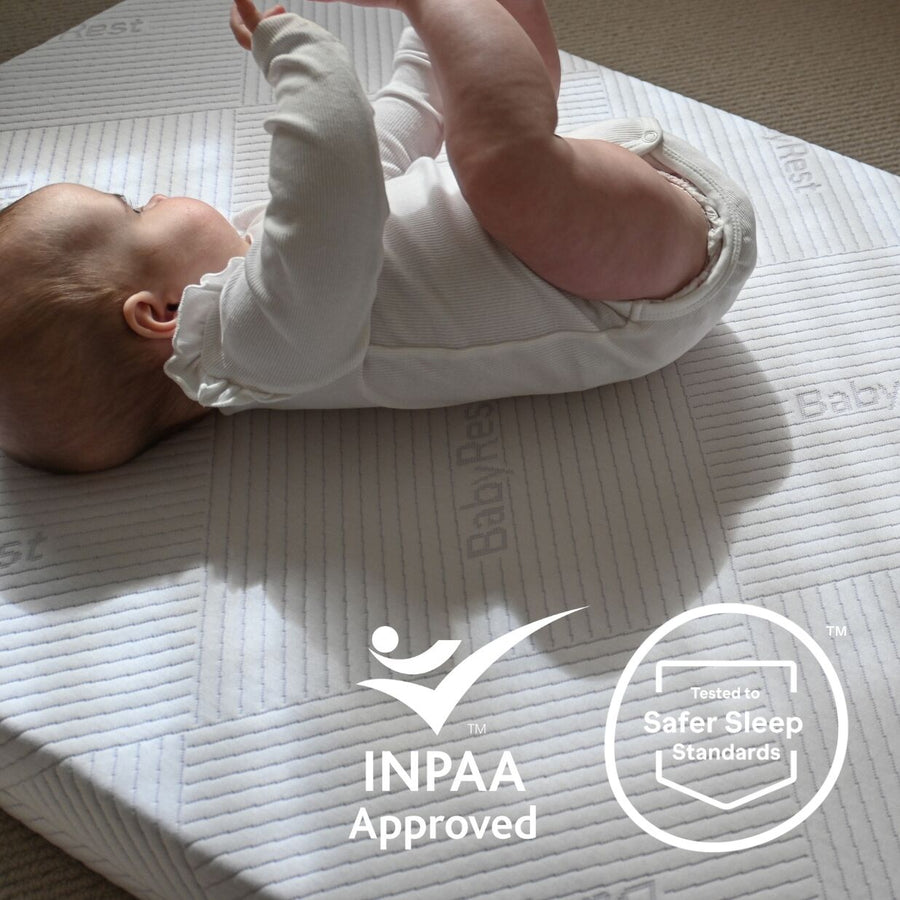
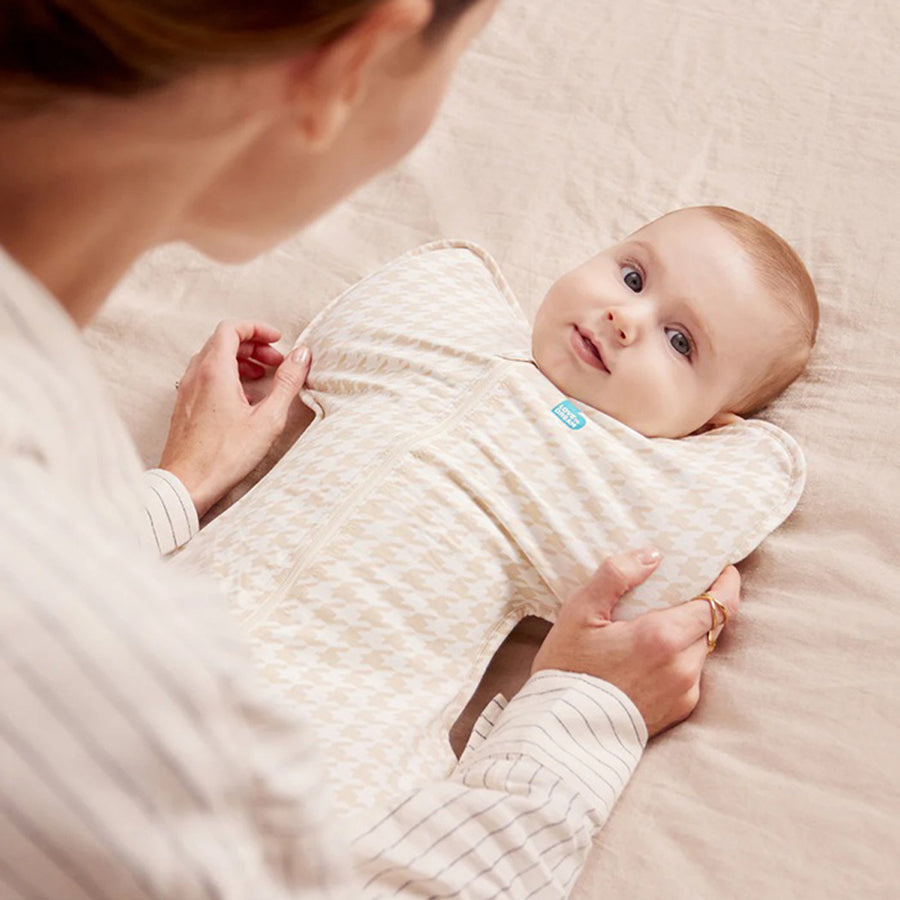
Babies should always be placed on their back for every sleep. This position helps keep airways clear and is the safest sleeping position for infants.
2. Keep baby’s head and face uncovered
Loose bedding or coverings near the face can obstruct breathing. Ensuring the face remains uncovered supports safe airflow.
3. Keep baby smoke-free
A smoke-free environment before and after birth supports overall infant health and sleep safety.
4. Provide a safe sleeping environment day and night
The same safe sleep principles apply to naps during the day and longer night sleeps.
5. Sleep baby in a safe cot in the parent’s room for the first 6–12 months
Room sharing without bed sharing allows parents to respond quickly while maintaining a separate sleep surface for the baby.
6. Breastfeed if possible
Breastfeeding has been associated with additional protective benefits for infant health.
These guidelines provide a clear framework for sleep safety for newborns while keeping routines manageable for families.
Creating a safe sleep environment is one part of supporting healthy sleep. Parents who want to understand the bigger picture of infant sleep can explore our guide on the complete foundations of baby sleep, including environment, routine and care.
Choosing the Right Cot for Safe Sleep
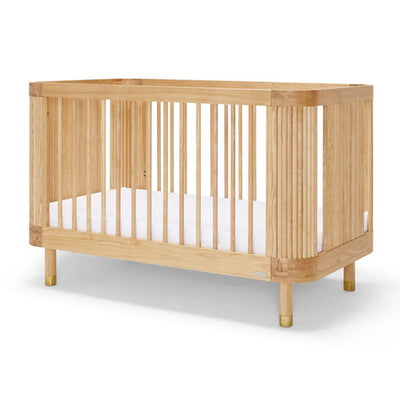
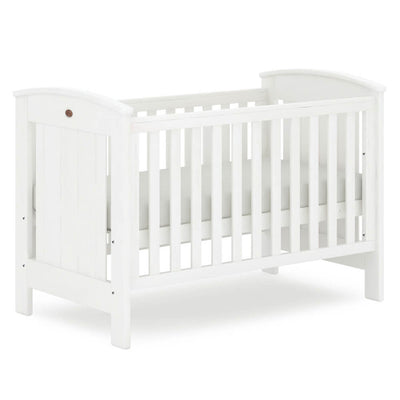
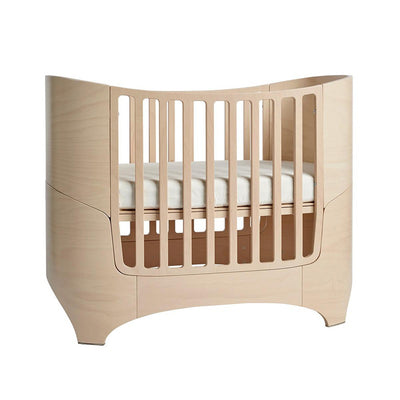
Creating a safe sleep environment begins with choosing a cot that meets recognised cot safety standards. In Australia, cots should comply with Australian safety regulations designed to reduce hazards and ensure structural stability.
Important factors in cot safety guidelines Australia include:
The cot should have a sturdy frame and stable construction. Slats must be spaced correctly to prevent a baby’s head or limbs from becoming trapped. Drop-side cots are no longer recommended due to safety concerns.
Equally important is the fit of the mattress. A mattress should sit snugly inside the cot with no gaps around the edges. Even small gaps can create potential risks for infants who are beginning to move or roll.
While design and nursery aesthetics are important to many families, safety compliance should always come first when selecting nursery furniture. At Baby Village, our cot range is chosen with Australian standards in mind, helping parents prioritise safety while still creating a beautiful nursery space.
Mattress Firmness and Fit: Why It Matters
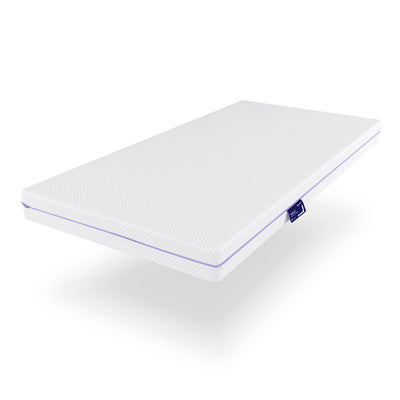
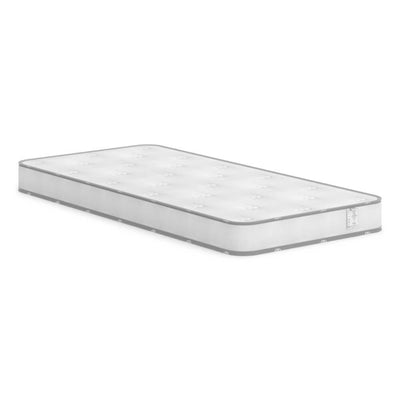
Mattress firmness is a critical factor in baby safe sleep guidelines . A safe sleep mattress should always be firm, flat and well fitted within the cot frame.
Soft or pillow-top mattresses may appear comfortable, but they do not provide the stable sleep surface recommended for infants. A firm mattress helps keep the baby's airway open and supports safe sleeping positions.
Parents should also ensure that:
-
The mattress fits snugly inside the cot frame
-
There are no gaps between the mattress and cot sides
-
The mattress surface remains flat and supportive
Second-hand mattresses are generally not recommended because their firmness and hygiene may have deteriorated over time.
Many parents also encounter marketing claims about “breathable” or “ultra-soft” sleep surfaces. While these products may sound reassuring, the most important factor for safe sleep for babies remains a firm, well-fitted mattress that meets safety standards.
What Should and Shouldn’t Be in the Cot
One of the most common questions parents ask about safe sleep for babies is what should actually be inside the cot.
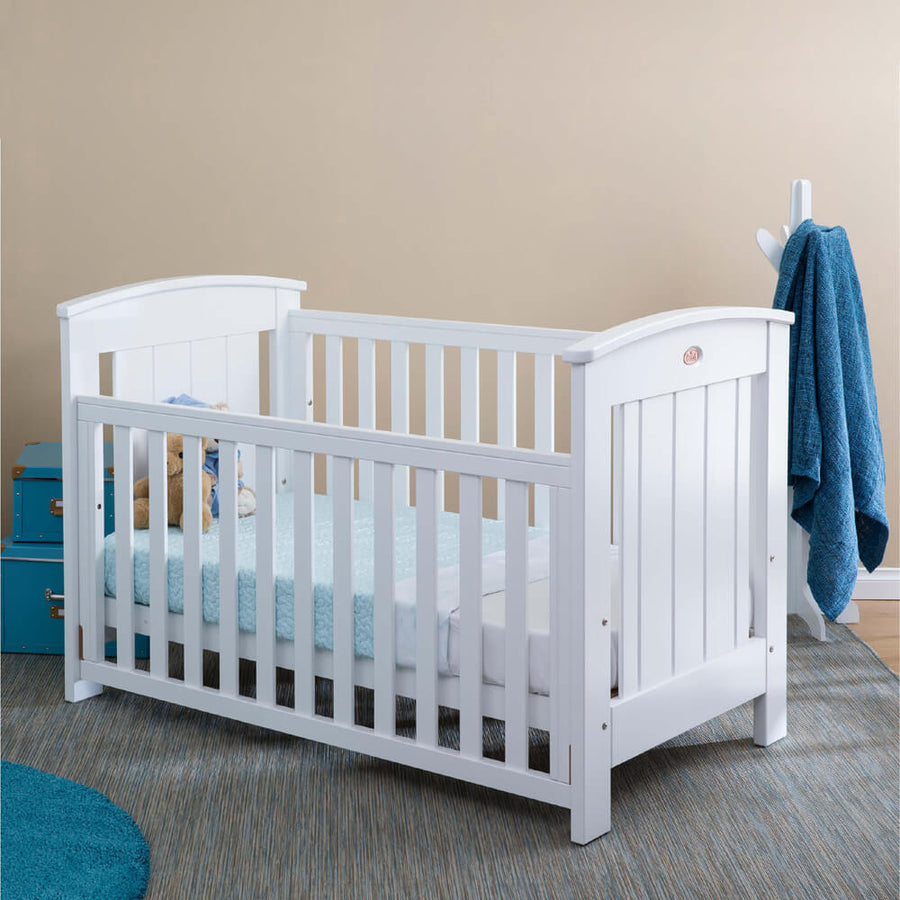
A safe cot setup is intentionally simple.
Inside the cot should be:
- Baby
- A firm mattress
-
A well-fitted sheet
Items that should not be placed inside the cotinclude:
- Pillows
- Loose blankets
- Soft toys
- Cot bumpers
- Sleep positioners
These items may look cosy, but they can increase the risk of obstruction or overheating.
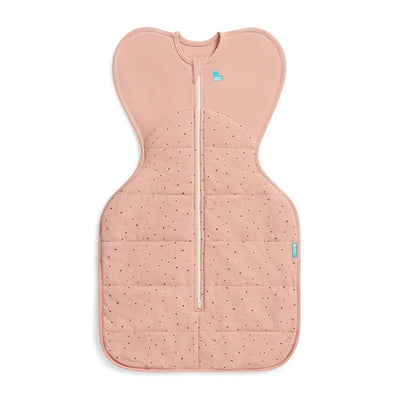
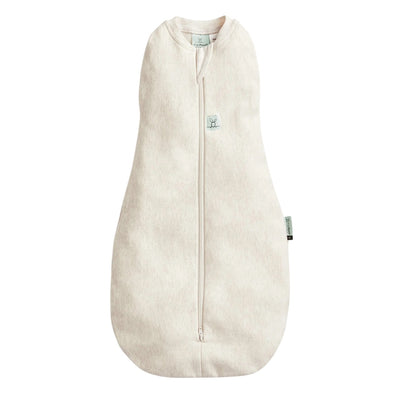
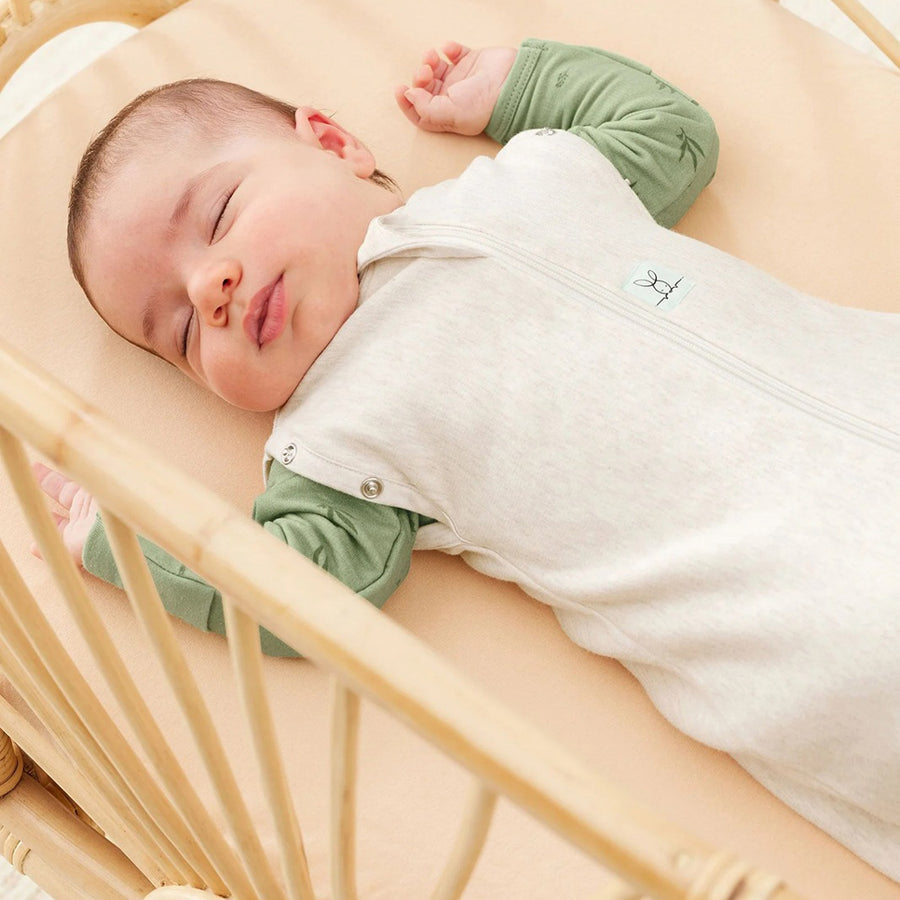
For bedding, many Australian parents choose BV’s lightweight sleep bags designed for infants. Sleep bags help keep babies warm without loose fabric that could move around the sleep space. If blankets are used, they should be lightweight and securely tucked in at chest level.
Keeping the sleep space clear remains one of the simplest ways to maintain sleep safety for newborns.
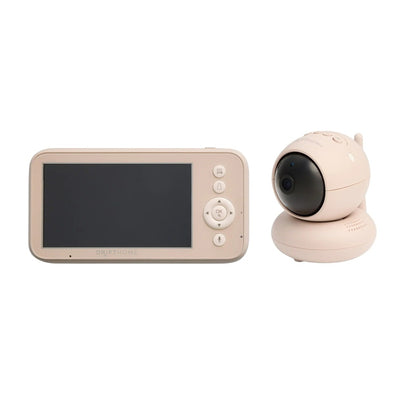
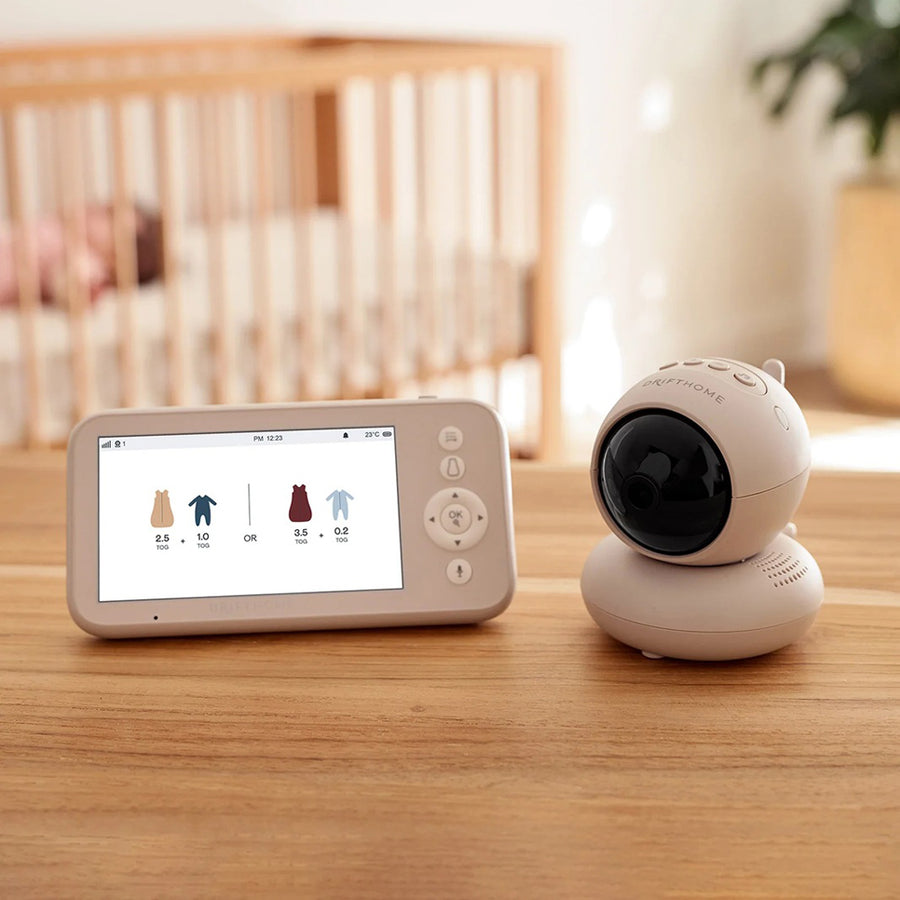
Parents who want extra guidance on TOG can also use tools like the ergoPouch Drift Home Baby Monitor , which measures nursery temperature and includes a smart TOG guide to help match sleepwear to the room environment. Some families also choose to use baby monitors to keep an eye on sleep routines and room conditions. While monitors do not replace safe sleep practices, they can provide reassurance during the night.
Monitors do not prevent SIDS, but they can help parents:
-
monitor room temperature
-
hear baby wake
-
feel reassured during sleep
Red Nose cautions against relying on monitors for safety, so they should be used as a helpful tool, not a safety device. Parents comparing different options can explore our guide to the top baby monitors for 2026 .
Bassinet to Cot Transition: Keeping Sleep Safe
Many babies begin their sleep journey in a bassinet before transitioning to a full-sized cot. Understanding when and how to make this transition can help maintain sleep safety for newborns.
Signs a baby may be ready to move from bassinet to cot include:
-
Reaching the bassinet’s weight or age limit
-
Starting to roll or push up
-
Showing increased movement during sleep
When transitioning, the same safe sleep guidelines Australia apply. Babies should still be placed on their back, and the cot environment should remain free from soft items or loose bedding.
Parents should also avoid inclined sleepers or surfaces that position baby at an angle. A flat, firm sleep surface remains the safest option throughout infancy.
Common Safe Sleep Myths Australian Parents Still Hear
Despite clear guidance, many outdated ideas about infant sleep still circulate among families and online communities.
#1 One common myth is that “ side sleeping is safer ”. In reality, babies placed on their side can easily roll onto their stomach, which increases risk.
#2 Another misconception is that “ babies sleep better on their tummy ”. While some babies may settle quickly in this position, research shows that back sleeping remains the safest option.
#3 Some parents also believe that “ soft mattresses are more comfortable for babies ”. However, firm mattresses are essential for maintaining safe sleep positioning.
#4 Cot bumpers are another frequently discussed item. Although they are sometimes marketed as protective, modern baby safe sleep guidelines recommend keeping the cot clear of bumpers and soft padding.
Understanding these myths helps parents focus on evidence-based practices that support safe, restful sleep.
For parents navigating the early months, understanding what normal newborn sleep actually looks like can also be helpful. Our guide on newborn sleep foundations explains common sleep patterns and expectations during the first months.
How Baby Village Supports Safe Sleep Decisions
At Baby Village, our goal is to support families with clear information and carefully selected products that align with safe sleep guidelines Australiarecommendations.
Our team focuses on:
- Stocking cots and mattresses that meet Australian safety standards
- Helping parents understand cot safety and nursery setup
- Guiding families through sleep bag options and temperature considerations
-
Providing personalised advice through free consultations
For many first-time parents, having access to trusted guidance can make a significant difference in building confidence around sleep routines.
Frequently Asked Questions - Safe Sleep for Babies
What is the safest sleep position for a baby?
According to Red Nose safe sleeping guidelines, babies should always be placed on their back for every sleep, including naps and overnight sleep. Back sleeping significantly reduces the risk of sudden unexpected death in infancy (SUDI).
What should be in a baby’s cot for safe sleep?
A safe sleep environment should include:
- A firm, well-fitted mattress
- A well-fitted sheet
- An appropriately rated sleep bag or sleepwear
The cot should not contain pillows, cot bumpers, loose blankets, toys, or soft items, as these can increase suffocation risk.
Are sleep bags safer than blankets?
Many parents prefer baby sleep bags or sleep sacks because they reduce the risk of loose bedding covering a baby’s face. Sleep bags with appropriate TOG ratings can help regulate temperature while keeping bedding safely in place.
What TOG rating should my baby wear?
TOG ratings help guide how warm a baby’s sleepwear should be depending on room temperature.
As a general guide:
-
0.2–0.5 TOG for warm summer rooms
-
1.0 TOG for mild temperatures
-
2.5 TOG for cooler conditions
Always check the room temperature and dress your baby accordingly.
Is it safe to use a baby monitor while my baby sleeps?
Baby monitors can provide extra reassurance for parents, especially when babies sleep in a separate room. However, they should not replace safe sleep practices, and parents should still follow Red Nose guidelines for safe sleep environments.
Safe Sleep Starts with Simple, Informed Choices
Setting up a safe sleep environment does not require complicated equipment or elaborate routines. The most important steps are often the simplest.
Following trusted guidance such as Red Nose safe sleeping recommendations , choosing compliant nursery products and keeping the sleep space clear can help parents create a secure foundation for their baby’s sleep.
At Baby Village, we believe informed choices help families feel confident in the early stages of parenthood. You can explore our safe sleep range on our website or in store.
Read more on baby sleep and other topics in our Expert Advice hub , or book a personalised consultation to receive free guidance tailored to your lifestyle and setup.