

 New Arrivals
 Clearance
 GIFT CARDS
































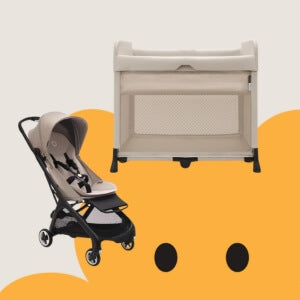

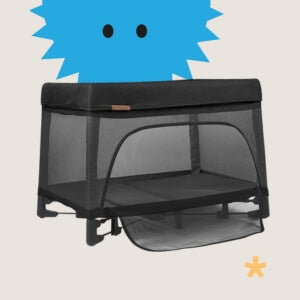




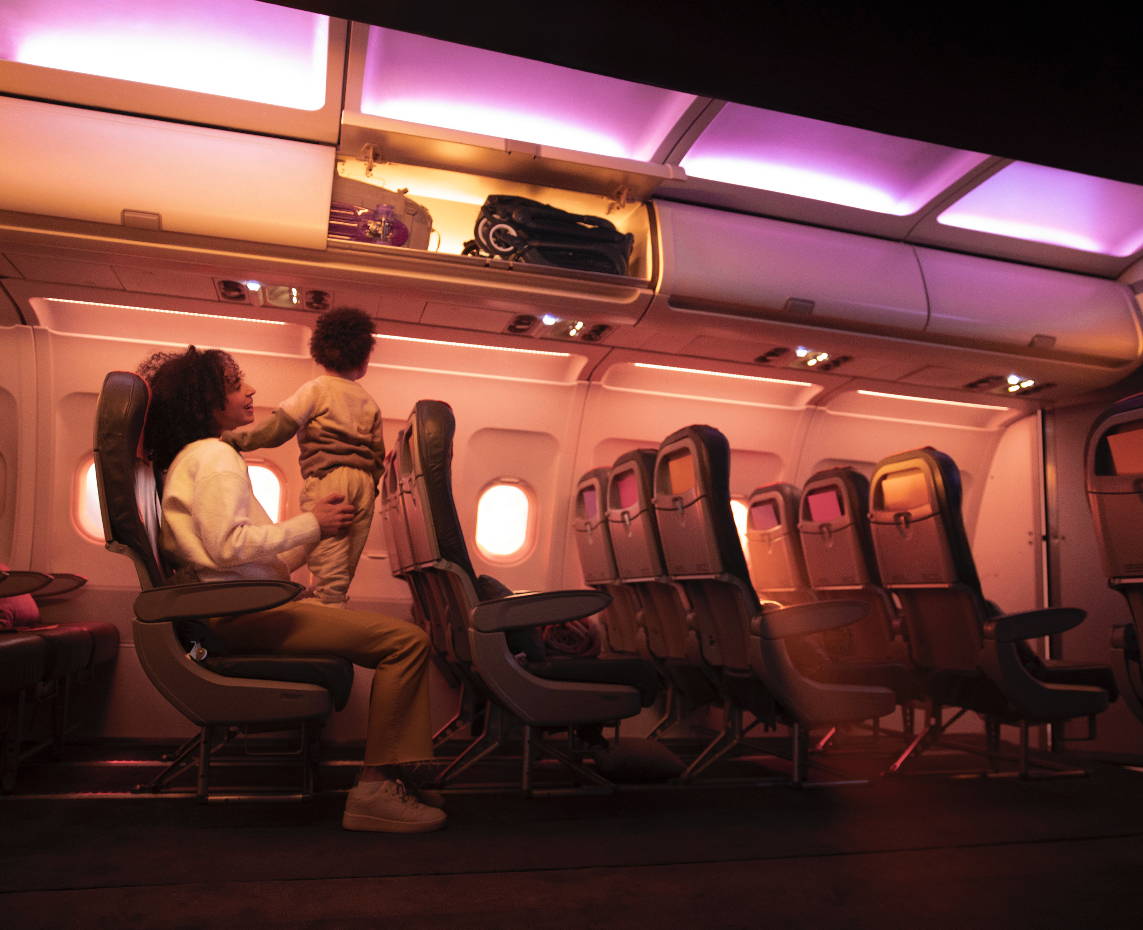
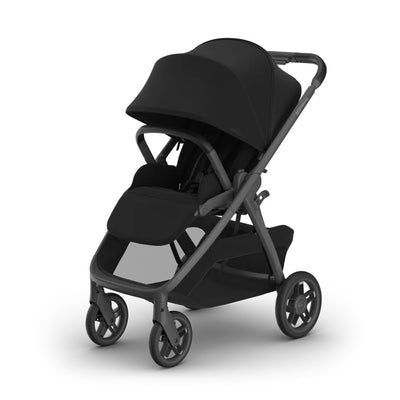
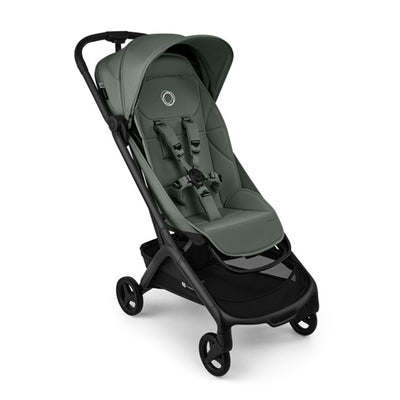
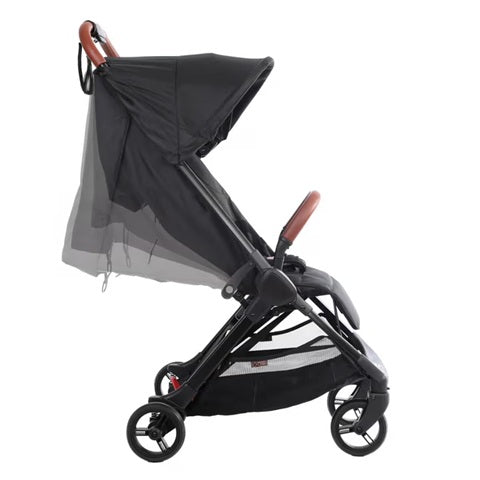
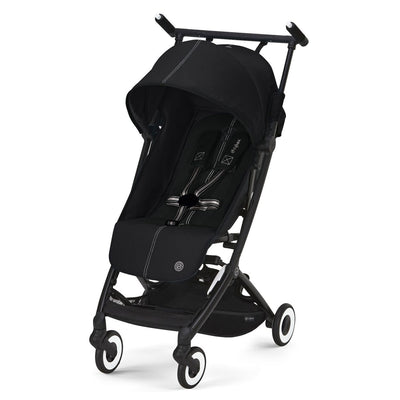
A travel pram earns its place in the boot by being the one you will actually carry. That comes down to three numbers: what it weighs, how small it folds, and what it costs. Seven prams in our travel range cover that ground between 6kg and 7.3kg, and between $350 and $850, each answering a different version of the same question.
What Makes a Pram a Travel Pram
Three things, and the rest is marketing. It has to be light enough to carry up a flight of stairs with a baby on your hip, small enough folded to go overhead or into a boot that is already full, and quick enough to fold that you can do it one-handed at a gate.
Weight is where most people start, and on its own it is the least useful of the three. The gap across this whole range is 1.3kg, less than a full nappy bag. What you notice is the shape. A frame that folds into a neat rectangle with a carry strap feels lighter on a concourse than one at the same weight that folds awkwardly.
Folded size is what decides whether it goes in the cabin. Makers describe these frames as carry-on friendly, and that is a design target rather than a promise, because allowances vary between airlines and between routes on the same airline. Check yours before you travel rather than at the gate.
The compromise is what gets left behind. A compact frame usually means a smaller basket, less suspension and a shorter seatback than a full-size pram. That is a fair trade for a holiday. It is worth more thought if this pram is replacing your everyday one.