


 New Arrivals
 Clearance
 GIFT CARDS




































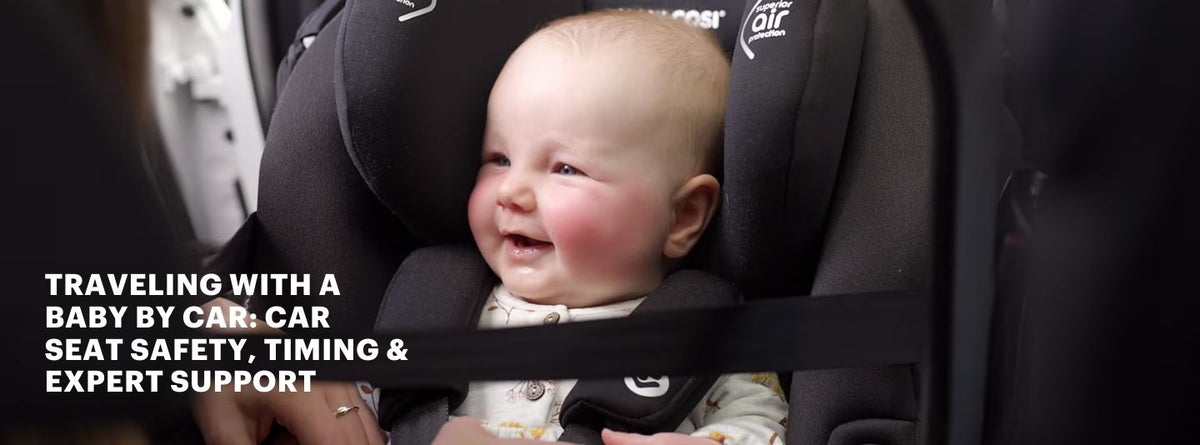
Traveling with a baby by car, especially for the first time can bring up a lot of questions. Is my baby positioned correctly in their travel car seat? How long is it safe to drive? What if they cry the whole way?
If you are feeling unsure, you are not alone. Most anxiety around traveling with a baby comes from uncertainty, not from doing anything “wrong.” The goal of this guide is simple: to replace guesswork with clarity, and help you feel calm, informed, and confident every time you travel in the car. We have got you covered for all you need to know about infant travel car seats and more!

Traveling with a newborn by car - is it safe?
For most healthy, full-term babies, travelling with a newborn by car is safe from birth particularly for short, everyday trips. Car seats are designed to protect newborns when they are correctly installed and used.
Longer journeys simply require more planning. Frequent breaks, careful positioning, and flexibility are key. Babies who were born prematurely or who have medical considerations may need individual guidance from a healthcare professional before longer trips.
Many parents overthink about when to travel with their newborn by car. Rather than rigid rules, the safest approach is personalised and responsive, paying attention to your baby and adjusting plans as needed.
While car seat guidelines can vary slightly depending on where you are traveling, the fundamentals of safety remain the same. If you are planning a trip overseas or want a broader understanding of global regulations, you can explore this helpful resource on car seat rules around the world .
How long can a baby stay in a car seat?
Car seats are designed for travel safety, not extended sleep or long periods of rest outside the car.
As a general guide:
- Newborns benefit from breaks every 1–2 hours
- Older infants can gradually tolerate slightly longer stretches
Stopping allows babies to feed, move, and reset their posture. Positioning and recline angle matter because a baby’s airway is still developing, and prolonged positioning can affect breathing if the seat isn’t set up correctly.
Regular breaks are not a setback, they are part of safe, baby-led travel.
Choosing a travel car seat for your baby
When selecting a travel car seat, safety and fit matter more than extra features.
Rear-facing seats remain the safest option for infants and young children. Parents often choose between infant capsules and convertible seats, both can be safe when used correctly.
What matters most is how well the infant travel car seat fits:
- Your baby’s size and stage
- Your vehicle
- Your ability to install and use it correctly every time
For families planning frequent car trips or holidays, ease of installation, portability, and compatibility with your vehicle can make a meaningful difference.
Car seat installation: where most parents go wrong
Incorrect car seat installation is far more common than many parents realise and most mistakes are not obvious.
Common issues include:
- A loose harness
- Incorrect recline angle
- Movement at the base of the seat
- Straps not positioned correctly
These errors can be hard to spot, even when parents are careful and well-informed. Needing help is not a failure it is normal, and it is one of the most effective ways to improve safety.
Why professional car seat fitting makes a difference
Professional car seat fitting goes beyond a quick check. It involves:
- Confirming correct installation in your specific vehicle
- Checking recline angle and harness positioning
- Ensuring compatibility between seat, baby, and car
- Educating parents so they feel confident adjusting the seat themselves
Many parents feel immediate relief after having their car seat checked by a trained professional knowing their baby is positioned safely and correctly. This support is especially valuable before first newborn trips, longer drives, or holidays.

Planning your drive: timing, breaks & realistic expectations
Trips with babies always take longer and that is okay.
Planning breaks into your route from the start helps reduce pressure. Traveling during nap windows can help, but flexibility matters more than perfect timing. If your baby becomes unsettled, stopping to reset is often safer and calmer than trying to push through.
Lower expectations lead to smoother journeys.
Keeping your baby comfortable and safe during the journey
Comfort supports safety. Dress babies in light, breathable clothing, bulky layers should never be worn under harness straps. Use appropriate sun protection and aim to reduce overstimulation where possible.
Comfort items can help, as long as they do not interfere with harness fit or positioning. If your baby becomes distressed, your instinct to stop, check, and comfort them is valid!
What to pack for car travel with a baby
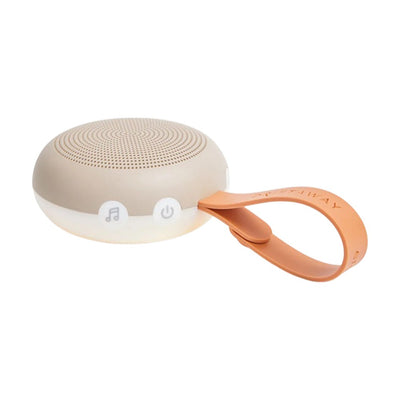
Preparation is not about overpacking. Having essentials within reach can make a big difference. We are sharing our11 top picks by BV that will help with your worries by reducing any extra stress so you can focus on your baby✨
Eyes on baby, stress off your mind
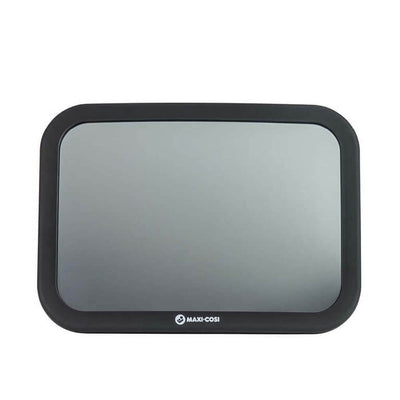
Being able to check on your baby without turning around helps you stay focused on the road while still feeling connected. A back seat mirror offers instant reassurance, especially during longer drives or when your baby is rear-facing.
Everything you need, right when you need it
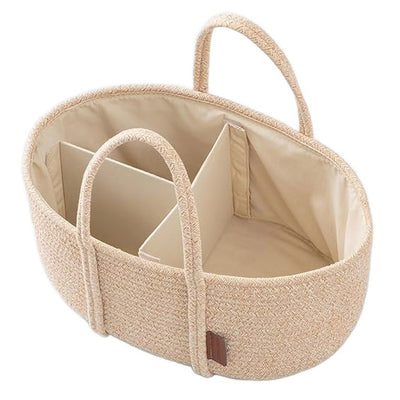
From nappies to wipes and spare outfits, a changing caddy keeps essentials organised and within reach. Perfect for quick stops, unexpected messes, or roadside changes without digging through bags.
Gentle clean-ups, wherever you stop
Pure water wipes are ideal for sensitive newborn skin and versatile enough for hands, faces, and nappy changes on the go. They’re a must-have for car travel when clean water and sinks aren’t always nearby.
Reliable protection for longer stretches
For families using cloth nappies, a high-quality, absorbent option helps reduce leaks during longer drives. Less stopping, less outfit changes, and more peace of mind when you’re strapped in and on the move.
Comfort on repeat
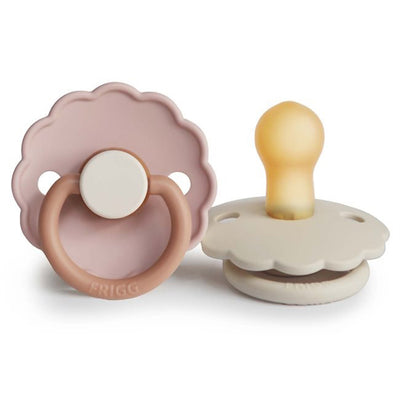
A familiar dummy can be incredibly soothing during car rides, helping babies settle more easily between stops. Having a spare on hand means less stress if one drops or goes missing mid-journey.
Skin comfort between stops
Longer time in car seats can sometimes lead to irritation or dryness. A gentle soothing cream is helpful for quick nappy changes or skin touch-ups during travel, keeping your baby comfortable on the road.
Feeds made simple, wherever you are
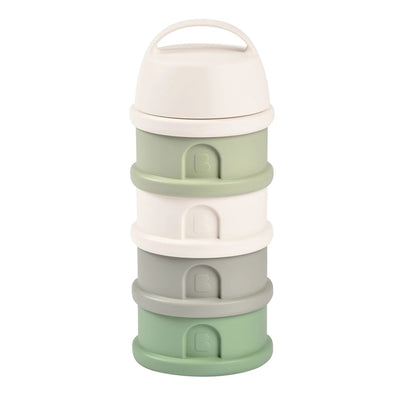
Pre-measured formula or snacks mean faster, calmer feeds during pit stops. This container helps streamline feeding on the go without juggling multiple items in a small space.
Hydrate with NO spills
For older babies and toddlers, an easy-to-use water bottle supports hydration during longer trips. Spill-resistant designs are especially helpful in the car, keeping seats and outfits dry.
Shade without blocking the view
Sunshades help regulate temperature and reduce glare while still allowing airflow and visibility. Essential for keeping babies comfortable and protected during daytime drives.
Protects your car and your setup
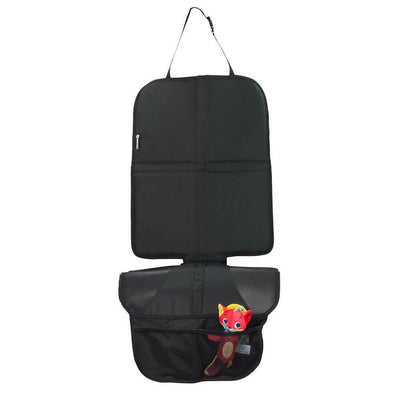
A car seat protector helps prevent marks and wear on your vehicle while keeping your car seat stable. It’s a simple addition that supports both safety and practicality, especially for everyday travel.
Everyday car trips vs long road journeys
Safety rules apply on every trip, whether you are heading to the shops or driving interstate. The difference lies in planning, not in safety standards.
Building good habits early correct installation, proper harness use, regular checks and makes longer journeys feel far more manageable later on.
When to pause, rethink, or get extra support
There are times when slowing down or seeking guidance is the right choice. Persistent distress, frequent feeding needs, or health considerations may mean adjusting travel plans.
Trust your instincts. Reaching out for professional advice or support is a proactive step toward safety, not a sign of uncertainty.
Quick checklist: traveling with a baby by car
- Car seat correctly fitted and checked
- Harness and recline angle confirmed
- Planned breaks with flexible timing
- Baby comfort and parent readiness considered

Traveling with a baby by car is not about doing everything perfectly. It is about preparation, awareness, and knowing when to seek support.
As you build confidence with everyday trips and longer journeys, remember that help is always part of safe parenting. With the right information and guidance, car travel can become a calm, manageable part of life with your baby.
If you are navigating car travel with a newborn or young baby, it’s completely normal to want extra reassurance. As you settle into everyday outings and longer journeys, we are here to help make those transitions feel safer and more manageable.
Explore Baby Village’s range of car seats, travel essentials, and more practical support designed for life on the move with babies and growing families. Visit us in store or shop our full range online.
Need a hand choosing the right product? Chat with our team online or visit us in store - we're here to help.