



 New Arrivals
 Clearance
 GIFT CARDS

















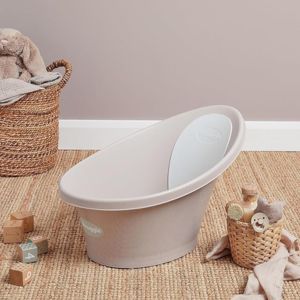





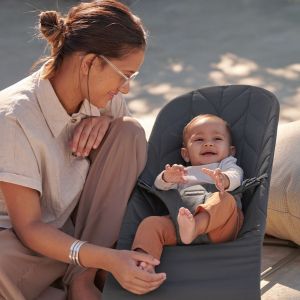







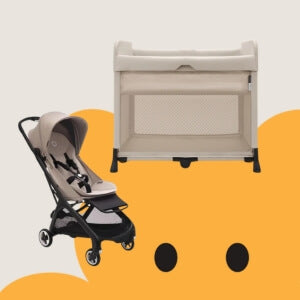

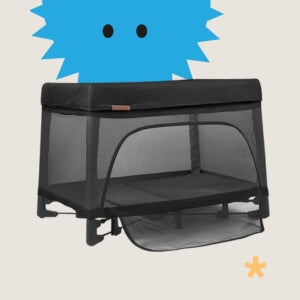

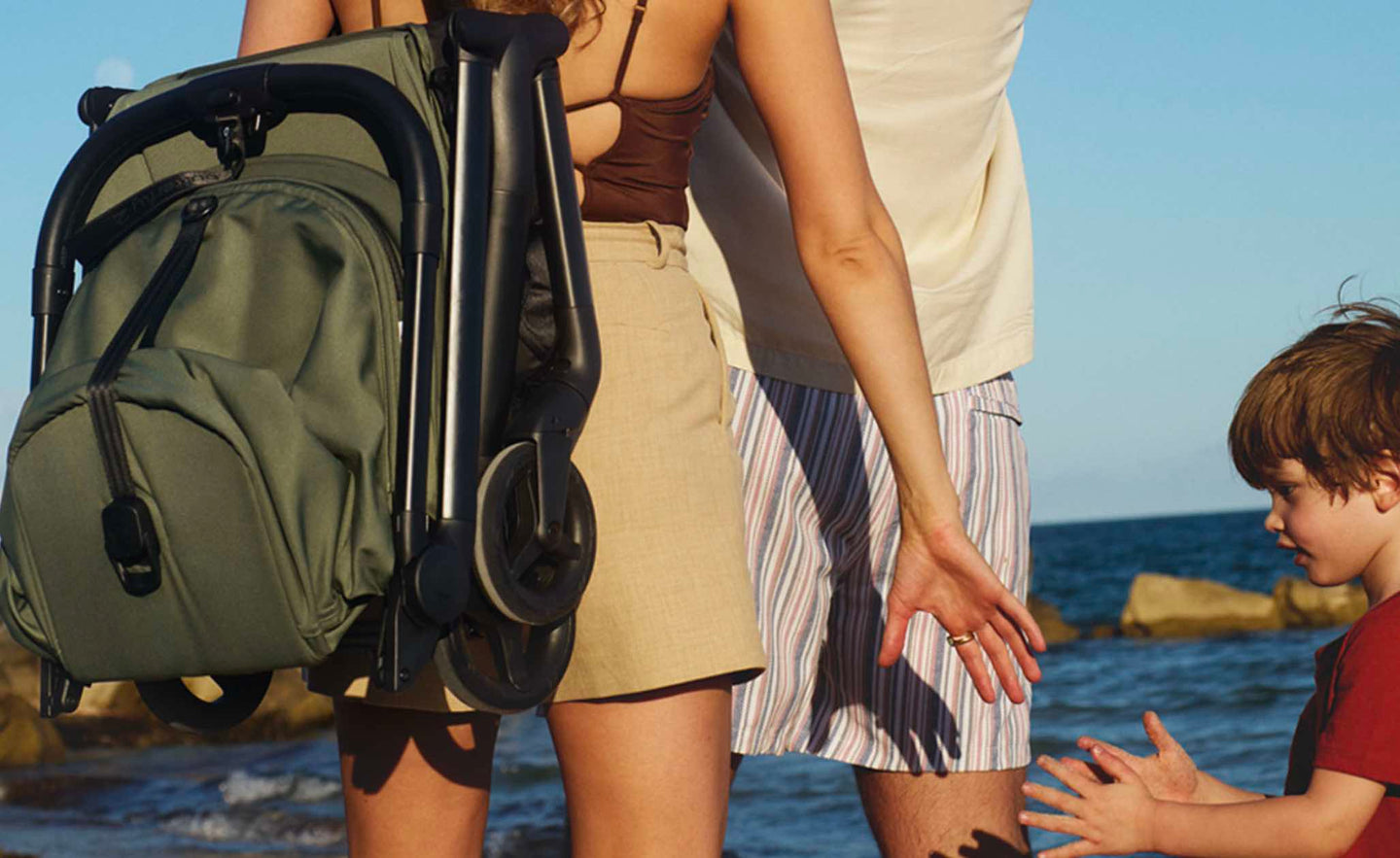
Travelling with a baby changes the pram calculation entirely. Weight, fold size, and whether the pram fits in an aircraft overhead compartment all become important purchase criteria rather than nice-to-haves. This guide covers what to look for in a travel pram, what the key trade-offs are, and how Bugaboo fares for the travelling Australian family.
The word ‘travel’ is applied loosely to a wide range of lightweight prams. For flying families, the relevant question is more specific: will this pram fit in an aircraft overhead compartment as carry-on luggage? IATA sets the standard dimensions for carry-on luggage.
A pram described as IATA-compatible has been designed and tested to fold within those dimensions. That matters because a pram you can bring into the cabin stays with you at the gate, in the aircraft, and on arrival - rather than being gate-checked or held in cargo where it may be handled less carefully.
Beyond IATA compliance, the practical criteria for a travel pram are: weight (lighter is always better on a long travel day), fold mechanism (one-hand and fast, ideally without removing the seat first), self-standing fold (so it stays upright when parked in a terminal), and a carry strap for the stretches where you need both hands and the pram needs to come with you anyway.


