

 Clearance


 New Arrivals
 GIFT CARDS































Getting ready for labour often feels simple until you start searching the internet and end up with a list that could fill a suitcase. Many first‑time mums in Australia pack too much and still feel under‑prepared. This calm, practical hospital bag checklistcuts through the noise and tells you what to pack in hospital bag for labour and birth, recovery in hospital and the first week at home. It simply focuses on hospital bag essentialsfor Australian mums rather than every imaginable item. We hope that with the right list of essentials you’ll feel prepared without overpacking.
Key takeaways
- Pack for the birth, recovery and first days – not every hypothetical scenario. Ask your hospital what they provide and plan around that.
- Comfort and recovery matter for mum – maternity pads, comfortable clothes and perineal care supplies are just as important as baby clothes.
- Quality over quantity – a few well‑chosen products (e.g., a heat pack, high‑waisted underwear, loose front‑opening tops) outperform a bag full of unused items.
- Plan separately for hospital and home – prepare a safe sleeping space, feeding station and stocked nappy station at home before you go to hospital.
- You can always ask for help – if you forget something, a partner or family member can bring it to the hospital. Leave valuables at home and don’t stress about perfection
When should you pack your hospital bag?
It’s never too early to start gathering items. Most midwives recommend having your hospital bag ready by about 36 weeks so you’re prepared if labour starts early. Starting in the early third trimester (around 29 weeks) gives you time to collect what you need without rushing. If you’re expecting twins or have a high‑risk pregnancy, pack sooner (around 32 weeks). Keep your bag in an easy‑to‑grab location or in the car so there’s no last‑minute scramble.
What to pack for mum: labour and birth
The birth room is about comfort, pain relief and staying fed and hydrated. Each item listed below is recommended by Australian health services or parenting organisations.
Comfort and pain relief
- Heat pack or TENS machine – labour‑helping devices like a heat pack or a TENS pain‑relief machine can ease early contractions.
- Lip balm – labour wards are warm and breathing through contractions can dry your lips; pack a small lip balm.
- Hair ties or headband – to keep hair out of your face.
- Loose, comfortable clothing – an old nightdress or oversized T‑shirt you don’t mind getting messy is ideal for labour.
- Non‑slip socks or slippers – hospital floors are slippery; bring slippers or non‑slip socks.
Feeding and hydration
- High‑energy snacks – labour is hard work. Pack easy‑to‑eat snacks like muesli bars, nuts or dried fruit.
- Drinks with electrolytes – diluted juice or sports drinks help maintain hydration.
- Water bottle with a straw – ideally a hands‑free straw bottle makes it easier to sip during contractions.
Documents and admin
- Antenatal records and birth plan – bring your antenatal records and any birth preferences; keep them at the top of your bag.
- Medicare and health fund details – hospitals will need your Medicare card and private health insurance membership number if applicable.
- Hospital pre‑admission paperwork and ID – include any paperwork you’ve completed plus ID for admission.
What to pack for mum: recovery after birth
The postpartum period is often where first‑time mums feel under‑prepared. Focus on healing, comfort and breastfeeding support.
Postpartum care
- Maternity pads (bring plenty) – postpartum bleeding lasts several weeks. Maternity sanitary pads are essential.
- Disposable or high‑waisted underwear – large, comfortable underwear can hold pads securely. High‑waisted styles avoid a caesarean incision.
- Peri bottle – a squirt bottle allows you to spray warm water on your perineum when you urinate, easing discomfort.
- Perineal spray or foam – ask your healthcare professional about numbing sprays or creams for perineal pain.
- Ice packs or cooling pads – applying an ice pack wrapped in gauze for 20 minutes every 2–4 hours during the first 72 hours reduces perineal swelling. You can make your own by freezing a soaked pad.
- Nipple balm – breastfeeding can lead to cracks, sores and dry skin; nipple creams help soothe and heal.
Comfort and recovery
- Loose, front‑opening nightwear – front‑opening tops or nighties make breastfeeding easier.
- Warm socks and a dressing gown – hospital wards can be cold. A dressing gown offers modesty when walking corridors.
- Toiletries – pack toothbrush, toothpaste, deodorant and dry shampoo. Dry shampoo is a lifesaver when you can’t shower easily.
- Phone charger and portable battery pack – labour and recovery can be long; ensure your phone stays charged. Many mums also pack headphones for music or meditation.
- Snacks and water – recovery is hungry work. Pack extra snacks and a large water bottle to keep up your fluid intake.
For c‑section mums specifically
Caesarean recovery requires a few additional items:
- High‑waisted underwear that sits above the incision and loose pants or dresses with no waistband pressure.
- Extra recovery time – plan to stay in hospital longer and pack additional clothing and pads to cover the extended stay.
- Comfort items – mouthwash and dry shampoo help you freshen up when you can’t get out of bed. Chewing gum may help kick‑start bowel movements after surgery.
What to pack for baby
Newborns actually need very little. Hospitals supply many basics; check with your hospital before packing. Below are newborn essentials for most first‑time mums in Australia – think of this as your newborn essentials checklist (Aussie version).
Clothing
- 2–3 newborn onesies or sleepsuits – babies can be messy, but you won’t need a dozen outfits. Pack a mix of sizes (0000 and 000) because newborns vary in size.
- Going‑home outfit – choose something soft and easy to put on, plus a hat and socks for warmth.
- Wraps or swaddles – a couple of muslin or cotton wraps keep baby warm and secure.
Feeding
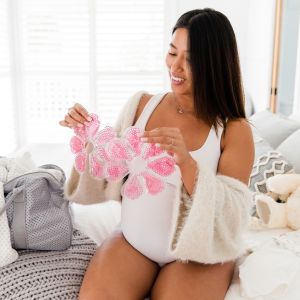
- Breast pads for mum – even if you plan to breastfeed, your milk may leak. Pack breast pads.
- Bottles and formula or expressed milk – if you’re planning to bottle feed, bring pre‑sterilised bottles and formula. Check whether your hospital supplies formula.
- Breast pump (optional) – a small manual pump can relieve engorgement if milk comes in quickly.
Skin care and nappies
- Barrier cream – apply a thin layer to prevent nappy rash.
- Cotton wool or soft cloth wipes – newborn skin is delicate; hospitals often recommend cotton wool and water rather than commercial baby wipes.
- Nappies – hospitals usually provide nappies; pack a few in case.
Going home
- Correctly installed car seat (baby capsule) – this is non‑negotiable and required by law. Make sure the seat meets Australian safety standards and is installed before the birth.
- Muslin wrap or blanket – use a lightweight wrap to cover baby in the car. Avoid bulky blankets that interfere with harness straps.
What you can leave out: the overpacking trap
First‑time mums often worry about being unprepared, which leads to overpacking. Trust that hospitals have the basics and that you can call for help if needed. Items often left untouched include:
- Entertainment – labour and recovery rarely leave time for books or games; a phone with music or meditation is usually enough.
- Full skincare routine – basic toiletries suffice; you won’t need a full beauty kit.
- Excess clothing – two changes of comfortable clothes are usually plenty.
- Toys or stimulation for baby – newborns need warmth and closeness, not toys.
- Valuables – jewellery, cash and expensive devices are best left at home.
Hospitals may have limited storage and can supply essentials such as nappies and formula. Pack only what you need and a few comfort items. If you forget something, someone can always bring it later.
What to have ready at home before you leave for hospital
Planning your home environment before birth can make the first week smoother.
Sleep setup
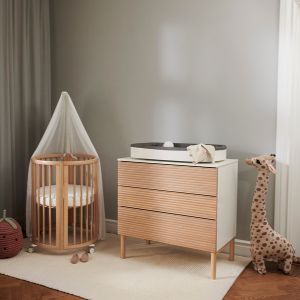
- Safe cot or bassinet in your room – the safest place for your baby to sleep is in a cot or bassinet that meets the Australian Standard and has a firm, clean, flat mattress that fits snugly. This reduces the risk of sudden unexpected death in infancy.
- Make up the bed with a fitted sheet and avoid soft bedding, pillows, toys or loose blankets.
- Check room temperature – babies sleep safest in a temperature‑controlled environment (around 20–22 °C).
Feeding station
- Comfortable chair and pillow – choose a chair with armrests, a lamp for night feeds and a footrest to support your legs. A nursing or maternity pillow helps position your baby comfortably.
- Breast pump and bottles – have a pump assembled if you plan to express milk, and bottles and sterilising equipment if bottle feeding.
- Snacks and water within reach – early breastfeeding sessions can be long; keep a large water bottle and nourishing snacks nearby.
Nappy station
- Change table at the right height – to protect your back, choose a change table that suits your height.
- Stock nappies, wipes and barrier cream – organise supplies in a caddy so they’re within arm’s reach.
- Spare clothing and wraps – keep a few onesies, wraps and socks nearby for quick changes.
Postpartum recovery at home
- Maternity pads and comfortable clothing – you’ll go through more pads than you expect; stock up ahead of time. Have loose, front‑opening clothes ready for breastfeeding and comfort.
- Peri bottle and perineal care products – keep a peri bottle and ice packs at home, not just in your hospital bag.
- Meal planning – cook and freeze nutritious meals before the birth. Accept offers of meals from friends and practice online grocery ordering for the early weeks.
- Support contacts – compile a list of emergency and support numbers and confirm who can help with meals, errands or caring for older children. Know that a midwife or child and family health nurse will usually visit you at home in the first week.
The first week home with newborn: what actually matters
Wondering what do I need for the first week with a baby? The first week home with newborn is a blur of feeding, sleeping and healing. It’s normal to feel tired, overwhelmed and elated all at once.
- Rest whenever you can – the early weeks are about recovery and bonding. Try to sleep or rest after feeds.
- Focus on feeding and baby care – most days will be filled with feeding, changing nappies and cuddling. It’s okay if all you achieve is feeding and a shower. Breastfeeding can take practice; seek support from a lactation consultant or the Australian Breastfeeding Association if needed.
- Accept help and set boundaries – ask someone you trust to support you in the first days. Family and friends may want to visit; it’s fine to ask them to wait or to help with practical tasks like washing baby clothes and stocking your fridge.
- Monitor your mental health – it’s common to feel teary or experience the ‘baby blues’ a few days after birth, but if low mood or anxiety lasts longer than two weeks, seek help.
- Home visits – midwives or child and family health nurses usually visit you at home in the first week to check on you and your baby. They’re a valuable source of support and can answer any concerns.
Remember that you won’t use everything you bought in those early days, and that’s fine. Focus on comfort, rest and learning your baby’s cues.
How Baby Village helps you prepare
At Baby Village, we know that quality beats quantity when preparing for labour and those precious first weeks at home. Our team — many of whom are parents themselves — offer honest, empathetic advice to help you build a hospital bag that suits your birth plan and lifestyle.
- Personalised guidance – visit us in‑store or book a personal shopping consultation and we’ll walk you through the essentials, from hospital bags to newborn care.
- Practical product selection – we stock trusted brands for hospital essentials, new mum and postpartum care. You’ll find everything from breast‑feeding and breast‑care products to maternity wear and new beginnings for your baby.
- Tailored postpartum support – our range includes peri‑care products, recovery underwear and gentle skincare from Mammae and Frida Mom. We’ll explain which items are essential and which are nice‑to‑haves.
- Home preparation – explore our selection of bassinets and cradles, nappy‑bag essentials and newborn gifts. You can also read our expert advice on choosing a baby capsule, selecting the best bassinet, breast care essentials and top tips for new mums.
Our goal is to help you feel prepared, not overwhelmed. Preparation is about confidence and comfort, not packing everything you own. With the right essentials in your hospital bag, a safe and supportive home environment and a reliable support network, you’ll be ready for labour, birth and the beautiful chaos of the first week.
Prepared, not overwhelmed
No two birth experiences are exactly alike, and no one packs the perfect hospital bag. Being prepared means choosing the right essentials for labour, recovery and those first days at home, not filling a suitcase. Use this honest checklist as a starting point, personalise it to your circumstances and remember that help is always available. When you’re ready, come and visit Baby Village in‑store or online to explore our carefully curated Hospital Bag Essentials range and speak with our knowledgeable team by booking a free consultation. We’re here to support you every step of the way.
BV x
Written by: Rameen