

 New Arrivals
 Clearance
 GIFT CARDS

































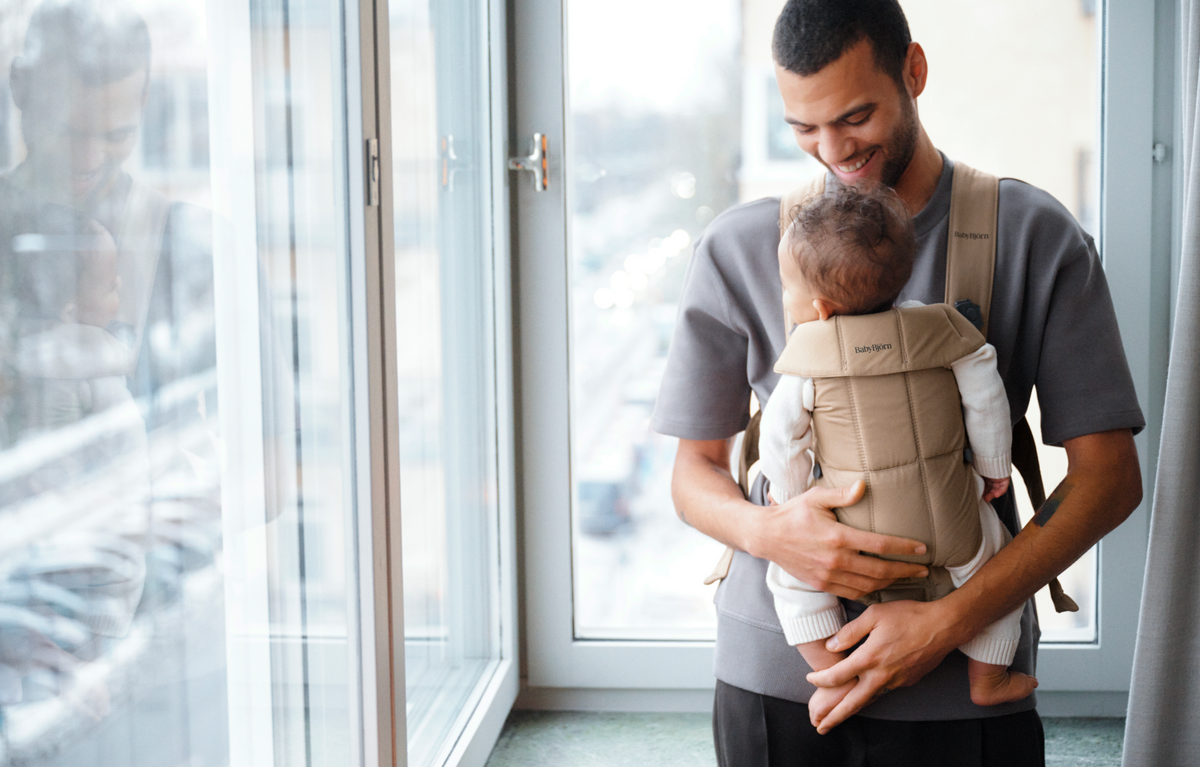
Baby wearing has long been part of parenting traditions across the world, but in Australia the practice continues to grow through education, community support and safer carrying techniques. During Babywearing Week Down Under 2026 (March 9–15), parents across Australia and Aotearoa New Zealand come together to learn about safe babywearing, connect with local families and understand practical guidelines such as the T.I.C.K.S. rule for safe babywearing.
For many new parents, the question often begins with something simple: is babywearing safe? With the right knowledge and equipment, it can be a supportive and practical way to keep babies close while staying hands free during everyday life. Organisations such as the Australian Babywearing Association and Babywearing Aotearoa promote safe babywearing education so parents feel confident when choosing and using a baby carrier.
Babywearing Week focuses on connection, education and community support, helping families learn the fundamentals of babywearing Australia guidelines, from ergonomic positioning to the widely recognised T.I.C.K.S. acronym for baby wearing safety.
What is Babywearing Week Down Under?
Babywearing Week Down Under is an annual awareness event that celebrates the practice of safely carrying babies using slings, wraps and baby carriers. In 2026, the event runs from March 9 to March 15, with community gatherings across Australia and New Zealand.
Local parenting groups, educators and trained babywearing consultants often host events including:
- Sling walks through local parks
- Baby carrier fit checks
- Education sessions for new parents
- Community meetups and demonstrations
These events are designed to make babywearing more accessible. Parents can try different styles of carriers, ask questions and learn proper adjustment techniques in a supportive environment.
While baby carriers and slings are useful tools, Babywearing Week emphasises that education and community support are just as important as equipment.
The T.I.C.K.S. Safety Check (The Core of 2026’s Theme)
One of the most widely recognised guidelines for safe babywearing is the T.I.C.K.S. rule. The T.I.C.K.S. babywearing acronym provides a simple checklist parents can use to ensure babies are positioned safely in a a carrier or sling.
T — Tight
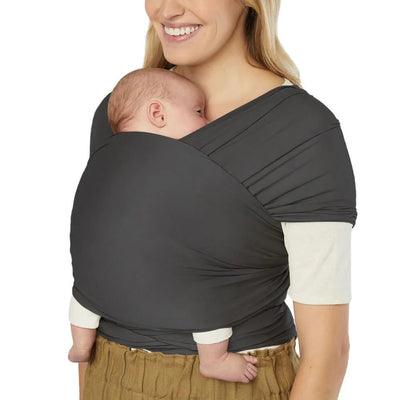
The baby carrier should be snug and hold your baby upright against your body. A loose carrier can cause slumping, which may restrict breathing.
I — In View at All Times
Your baby's face should always be visible without needing to move fabric or adjust the carrier. This allows you to monitor breathing and comfort easily.
C — Close Enough to Kiss
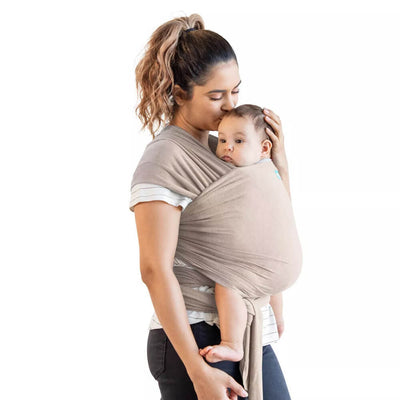
When wearing your baby, you should be able to tilt your head forward and kiss the top of their head comfortably.
K — Keep Chin Off Chest
Your baby's chin should never be forced down onto their chest. Keeping the airway open is essential for breathing safety.
S — Supported Back
Your baby’s back should be naturally supported with their tummy and chest resting against you. The carrier should support the baby's spine while maintaining a natural posture.
Understanding the T.I.C.K.S. rule for safe babywearing is one of the most important steps parents can take when learning how to use a baby carrier safely.
Why Safe Positioning Matters
Safe positioning plays a key role in protecting a baby’s airway and overall comfort. Improper positioning may increase risks such as breathing restriction, overheating or poor circulation.
Parents should take particular care with newborns and babies under four months, as they have less head and neck control. Regularly checking breathing, body temperature and positioning can help maintain safe babywearing practices.
It is also important to remember that baby carriers are not designed as safe sleep surfaces. If a baby falls asleep in a carrier, transferring them to a flat, firm sleep space when possible supports safer sleep guidelines.
What to Check Before Buying a Baby Carrier
When searching for the best baby carrier Australia parents can use, comfort and safety should guide the decision. Understanding how to choose a baby carrier can make everyday babywearing much easier.

Healthy Hip Positioning
A well designed carrier supports a baby’s hips in a natural “M” shape position. This means the baby’s knees sit slightly higher than their bottom and their thighs are well supported.
Carriers that allow legs to dangle straight down without thigh support may not provide optimal ergonomic positioning.
Age and Weight Suitability
Check the manufacturer’s recommended age and weight limits carefully. Some carriers require newborn inserts for additional support, while structured backpacks are generally designed for older babies with stronger head control.

Breathability and Climate Suitability
Australia’s climate can be warm, so breathable fabrics are helpful. Mesh panels, lightweight materials and moisture wicking fabrics can improve comfort for both baby and parent during longer walks.
Ease of Adjustment
Adjustable straps and waistbands allow different carers to use the carrier comfortably. Being able to adjust the carrier quickly is especially helpful during busy daily routines.

Your Comfort Matters Too
A good ergonomic baby carrier distributes weight evenly across your shoulders and hips. Padded waist belts and supportive shoulder straps can reduce strain during longer periods of babywearing.
Safety Construction
Look for strong materials, secure buckles and clear instruction manuals. Avoid products marketed as “womb-like” if they force babies into curled positions that may compromise breathing.
Types of Babywearing Equipment Explained
Babywearing equipment comes in several styles, each suited to different stages of development and family lifestyles.
Structured Carriers
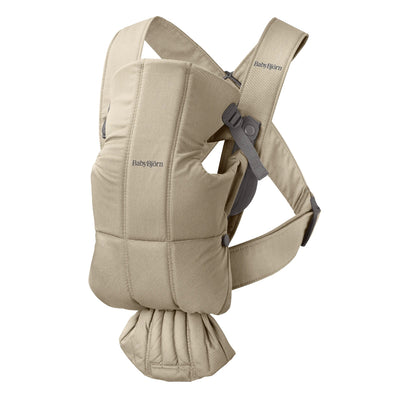
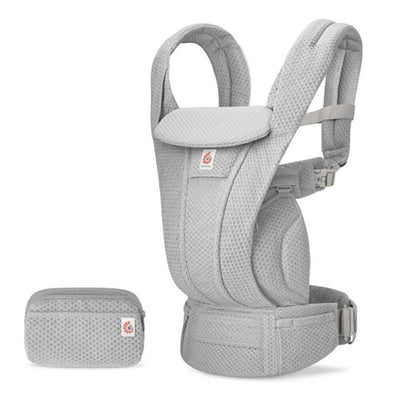
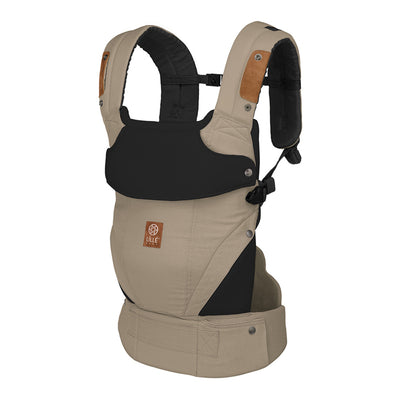
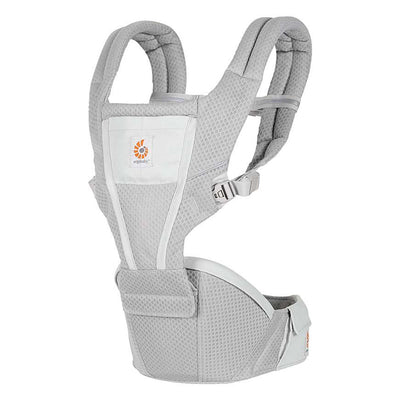
Structured carriers are among the most commonly used options. Brands such as Ergobaby, BabyBjorn, LILLEbaby and Phil & Teds offer carriers designed for adjustable support and even weight distribution.
These carriers are often suitable for longer walks and day to day outings.
Wraps and Slings
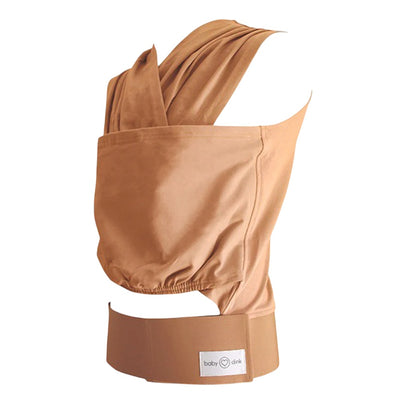
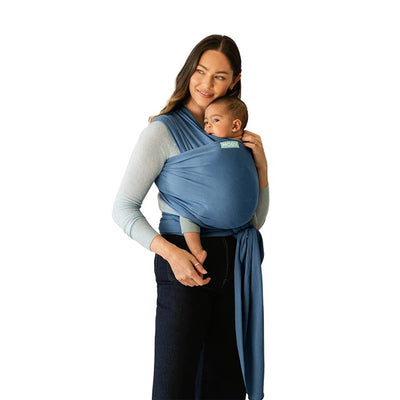
Soft wraps and baby slings provide a flexible and lightweight option. Brands such as Moby and Babydink are popular choices for newborn babywearing because they allow a snug, custom fit.
Many parents appreciate the closeness and gentle support these carriers provide during the early months.
Hip Carriers and Lightweight Support
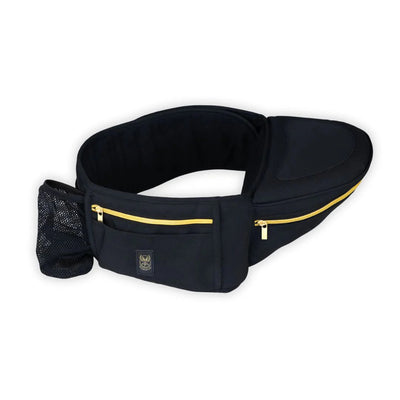
Hip carriers, such as Hackerlily's Hipsurfer, offer quick support for toddlers who frequently want to be picked up and put down.
These carriers can be useful during errands, travel or outings where flexibility is helpful.
Adventure or Outdoor Carriers
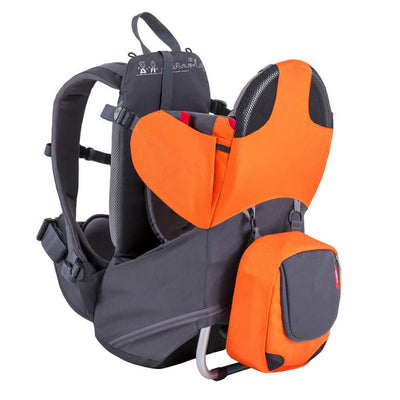
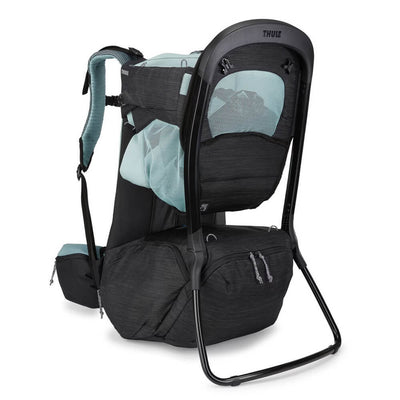
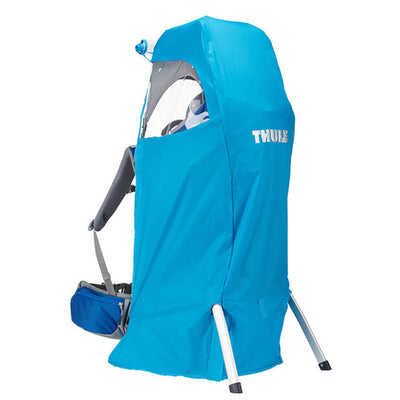
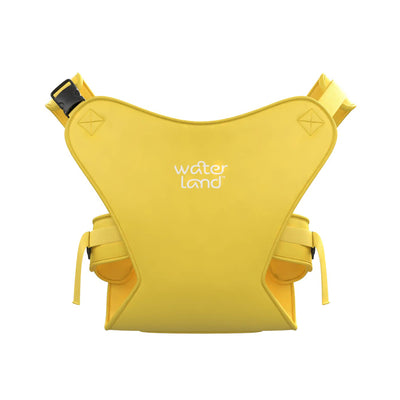
Outdoor carriers designed by brands such as Thule or Waterland are typically built for hiking and longer adventures. These carriers are usually recommended for older babies who have strong head and neck control.
Baby Carrier Options Available at Baby Village
Parents exploring babywearing for the first time often benefit from seeing different carriers in person. Baby Village stocks a range of ergonomic baby carriers suited to different stages and lifestyles. View entire baby carrier range
Structured carriers such as Ergobaby and BabyBjorn are popular for their adjustable support and padded waist belts that help distribute weight evenly. For newborns, soft wraps like Moby and Babydink offer lightweight comfort and a flexible fit during the early months.
For families who enjoy outdoor adventures, hiking carriers from brands such as Thule provide additional structure and support for older babies and toddlers.
Trying a few different options can help parents find the carrier that best suits their body type, comfort preferences and daily routine.
Attending a Sling Walk or Fit Check
One of the best ways to build confidence with babywearing is by attending a local sling walk or baby carrier fit check.
These events allow parents to:
- Try different carrier styles
- Learn proper adjustments
- Ask experienced babywearing educators questions
- Connect with other families
Community events can make babywearing feel less overwhelming, especially for first time parents who may not know where to begin.
Babywearing Builds Connection
Beyond practicality, babywearing can help support the emotional bond between parent and baby. Many parents find that wearing their baby helps with soothing, feeding routines and everyday movement around the home.
Keeping babies close while staying hands free can make daily activities easier while maintaining a sense of connection.
Babywearing can also help babies remain involved in family life, allowing them to observe and engage with their surroundings in a secure and supported way.
How Baby Village Supports Safe Babywearing
At Baby Village, our goal is to help families approach babywearing with confidence and clear information.
We support parents by:
- Stocking ergonomic carriers from trusted brands
- Offering in store demonstrations and guidance
- Helping parents understand the T.I.C.K.S. babywearing rule
- Discussing healthy hip positioning and weight suitability
- Encouraging thoughtful purchasing decisions based on safety and comfort
Rather than focusing on trends, our approach prioritises safe babywearing education and personalised guidance.
Celebrate, Connect and Carry Safely
Babywearing Week Down Under 2026 highlights the importance of safe babywearing, supportive communities and informed parenting choices.
Parents who are new to babywearing can start by learning the T.I.C.K.S. rule, attending a local event or speaking with experienced educators. With the right guidance, babywearing can become a practical and enjoyable part of everyday life.
If you are exploring babywearing for the first time, you can browse Baby Village’s baby carrier collection online or in store.
Need a hand choosing the right product? Chat with our team online or visit us in store - we're here to help.