


 New Arrivals
 Clearance
 GIFT CARDS














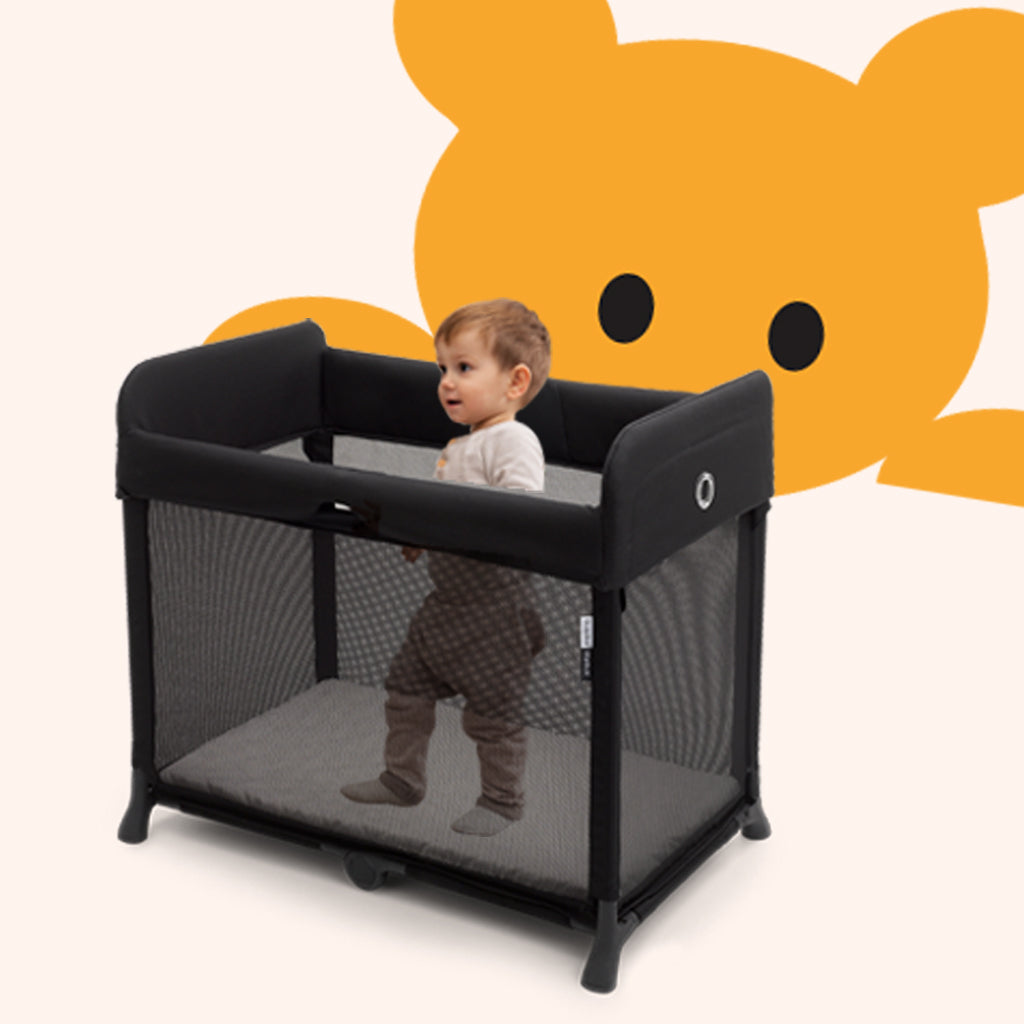























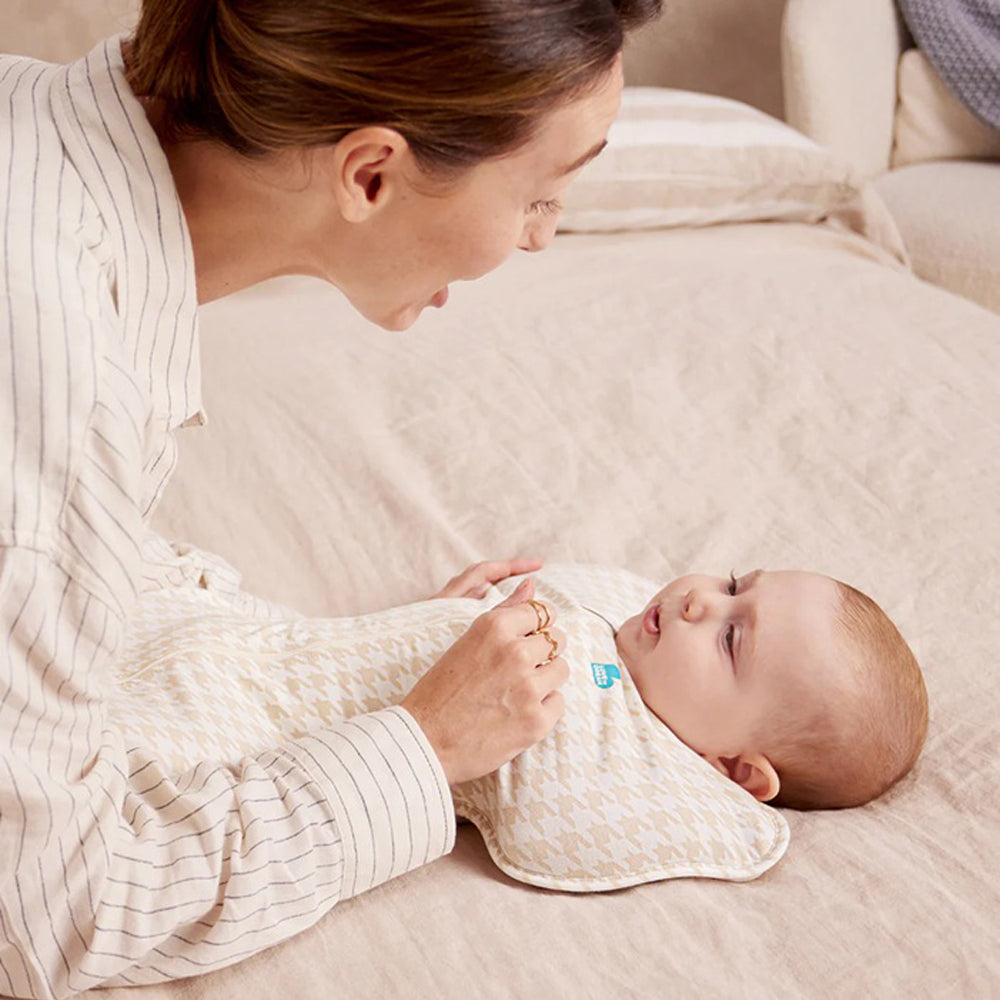
Newborn sleep is one of the most talked about and most misunderstood parts of early parenthood. Questions around newborn sleep, establishing a newborn sleep routine, and understanding the newborn sleep cycle often surface within days of bringing a baby home. Parents quickly find themselves wondering what is normal, what is expected, and whether they are doing something wrong.
The truth is, normal newborn sleep looks very different from what many parents are led to expect, and early sleep rarely follows a predictable newborn sleep schedule. This guide explains what is biologically normal, reduces unrealistic expectations, and helps parents feel calmer and more confident in the early weeks.
Why newborn sleep feels so confusing and why that is not your fault.
Newborn sleep advice comes from everywhere. Experts, family members, apps, social media, and friends often share strong opinions, many of which may contradict each other.
Some sources promise routines will fix sleep. Others say routines are unrealistic. Many ignore biological development entirely. This can leave parents feeling anxious and unsure.
Confusion is not a sign of failure. It is a normal response to unclear and conflicting messages around newborn sleep expectations.
What normal newborn sleep actually looks like
Normal newborn sleep is frequent, fragmented, and unpredictable. Many newborns wake every two to three hours, day and night, mainly to feed. This is developmentally appropriate and supports growth.
Day and night confusion is common in the first six to twelve weeks. Contact naps, short sleep stretches, and wanting to be held are biologically expected.
The newborn sleep cycle is shorter than an adult’s, which explains frequent waking. Variability matters more than averages. Sleeping through the night is not a meaningful milestone at this stage.
The expectation gap and where pressure around sleep comes from
Much of the pressure parents feel comes from cultural expectations rather than biological reality.
Concepts like self soothing and good sleepers are often misunderstood and applied too early. In this modern day and age, comparing baby’s sleep behaviors, especially online, creates guilt without context.
If you are asking What are realistic baby sleep expectations? or What should I expect from baby sleep? The answer is flexibility, change, and gradual development rather than consistency.

Routines vs rhythms and what helps in the early weeks
Many parents worry about establishing a newborn sleep schedule straight away. Strict schedules often do not suit newborns.
Gentle rhythms tend to work better. Feeding, cuddling, and sleeping in response to cues respects newborn development.
Watching your baby rather than the clock allows sleep to happen more naturally. Flexibility supports better rest for both babies and parents.
The most common newborn sleep worries explained
Many concerns are normal in early infancy.
Bassinet refusal and contact sleep often reflect a need for closeness. Wake windows are not always reliable for young newborns. Feeding to sleep does not create bad habits at this stage.
Drowsy but awake is often unrealistic for newborns. What is called a sleep regression is usually sleep development. Balancing advice with real life exhaustion is challenging and very common.
Safe sleep basics and what matters most
Safe sleeping for newborns focuses on a few key principles. Babies should sleep on their back, on a firm and flat surface, without loose items.
Some marketed sleep products can increase risk. Choking fears are common, but back sleeping protects the airway.
Safe newborn sleep planning also means preparing realistic options for exhausted parents.
Why trying to fix newborn sleep often makes things harder
Newborn sleep cannot be trained or rushed. Trying to tire babies out can increase overtiredness and stress hormones.
Sleep develops as the nervous system matures. Constant troubleshooting can affect parental wellbeing without improving sleep.
Often, less pressure leads to better rest.
When sleep advice creates guilt instead of support
Fear around bad habits can undermine confidence. Responding to newborns is developmentally appropriate.
Responsiveness supports regulation and security. It does not create dependence.
Parents, you are allowed to trust yourselves.
How Baby Village supports parents through the newborn stage
At Baby Village, support goes beyond products. We help parents through education, reassurance, and real world guidance.
Our expert advice, in store support, and online consultations are designed to reduce overwhelm. Sometimes the most helpful thing is talking things through with someone who understands early parenthood.

When to seek extra support and when to be gentle with yourself
Extra support can be helpful when parents feel persistently anxious, exhausted, or unsure.
Most newborn sleep patterns fall within the range of normal. Knowing when to seek reassurance can help parents feel more secure.
Parental mental health matters too.
Letting go of perfect sleep and focusing on what really helps
Newborn sleep changes often, even without intervention.
Consistency in care matters more than consistency in routines. Parents do not need to win newborn sleep.
Calm, supported caregivers support better sleep outcomes.
Newborn sleep is a season, not a test
Newborn sleep is temporary and developmental. Parents are not behind, broken, or failing.
Support, education, and reassurance matter. Baby Village is here to help, whether through trusted resources, guidance, or a conversation when things feel overwhelming.
Helpful sleep essentials for the early weeks
In the newborn stage, products are not about fixing sleep. They are about creating a safe, comfortable environment and supporting parents through frequent waking and changing routines. The right essentials can help make nights and naps feel more manageable during the early weeks.
Safe Sleep Spaces
Bassinets
A safe, dedicated sleep space gives parents peace of mind during the early weeks. Firm, flat mattresses and well designed sleep surfaces support safe sleeping for newborns, especially during frequent day and night wakes.
Breathable Mattresses
Newborn sleep mattresses
Breathable, supportive mattresses help create a comfortable and safe sleep environment for newborns. Designed for airflow and firmness, they support safe newborn sleep without adding unnecessary extras.
Swaddles and Sleepwear
Swaddles and newborn sleep sacks
Swaddling can help some newborns feel more secure by recreating the snug feeling of the womb. Swaddles and sleepwear are designed to support comfort while allowing babies to move naturally as they grow.
White and Pink Noise
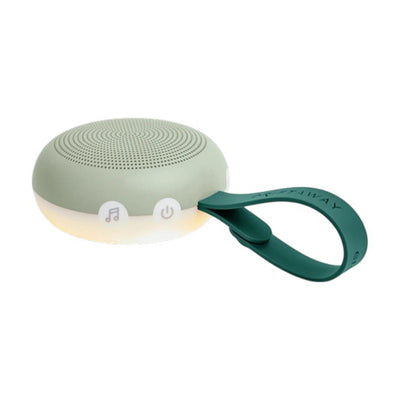
Sound machines and gentle noise aids
Soft background noise can help create a familiar sleep environment and mask sudden household sounds. Many families find this especially helpful for daytime naps or busy homes, without overstimulating newborns.
Bedside Sleep Solutions
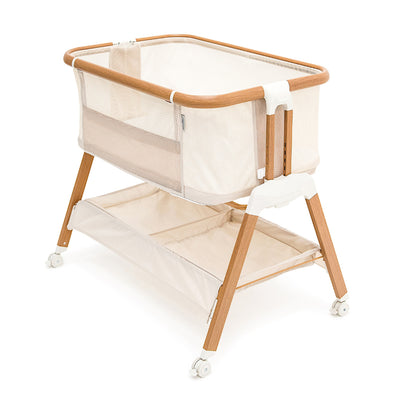
Bedside sleepers and bassinet stands
Having your baby close by can make night feeds and settling easier in the early weeks. Bedside sleep solutions are designed to support safe sleeping while keeping babies within reach.
Fitted Sheets and Sleep Accessories
Newborn bedding essentials
Spare fitted sheets and simple sleep accessories make everyday changes easier. Having extras on hand can reduce stress during night wakings and help parents stay focused on care rather than logistics.
Soft Lighting for Night Care
Night lights and low glow lamps
Soft, low lighting supports overnight feeds and nappy changes without fully waking baby or parent. Gentle lighting helps maintain a calm environment during night care.
Parent Comfort Essentials
Feeding chairs and bedside organisers
Supporting parents’ comfort is part of supporting newborn sleep. Comfortable seating and easy access to essentials can make long feeds and frequent wakes feel more manageable.
Products can support safe and comfortable newborn sleep, but they do not define it. Your baby’s sleep will develop in their own time, and responding to their needs is always appropriate in the early week.
Newborn sleep is not something to master or perfect. It is something you move through, one day at a time. There will be nights that feel long and days that feel uncertain, and that does not mean you are doing anything wrong.
As you find your rhythm with your baby, remember that support matters. You are allowed to respond, adjust, and take things slowly. There is no single right way to do newborn sleep, only what works for your family in this season.
We are here to help make those early weeks feel a little less overwhelming. From nursery essentials to practical support for life with a newborn, our team is here to guide you.
Need a hand choosing the right product? Chat with our team online or visit us in store - we're here to help.