


 New Arrivals
 Clearance
 GIFT CARDS



































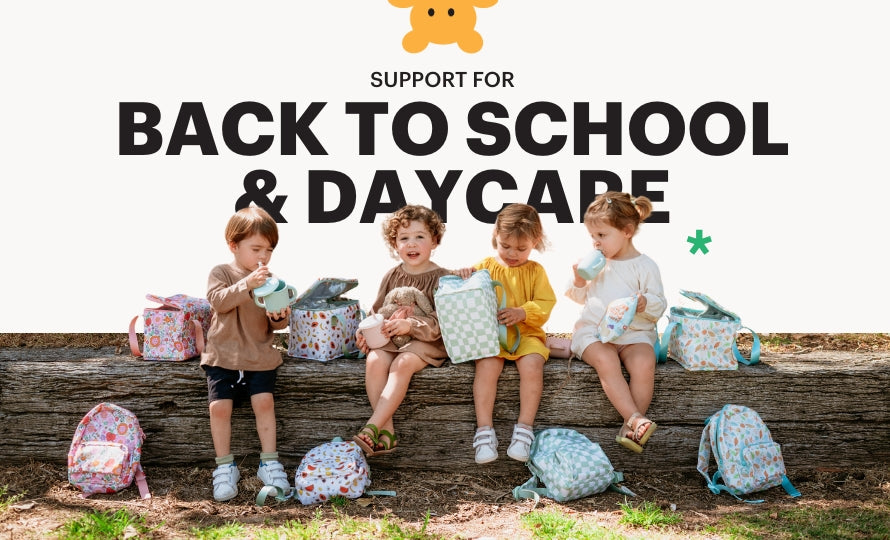
Returning to daycare, preschool, or school after a break can feel like a lot for children and parents. Excitement, resistance, clinginess, and exhaustion can all show up at once, sometimes even in the same day. That doesn’t mean anything is wrong. It simply means your family is adjusting to change.
This guide is designed to make the transition feel calmer and more manageable. Instead of trying to do everything at once, we break preparation down by age so you can focus on what truly helps your child feel safe, confident, and supported right now.
First, reset expectations (for parents, too)
Back-to-routine stress isn’t a sign that you’re unprepared, it’s a sign that change is happening. Even children who love daycare or school can struggle when routines shift.
It’s also common for emotions to show up after drop-off or once children are back home, rather than during the day itself. Holding it together in a new environment takes energy.
Your calm and confidence play a powerful role here. Children take cues from how safe and steady things feel around them. Remember: this is an adjustment period, not a single “first day” to get through perfectly.
Back to daycare: preparing babies (infants)
When it comes to back to daycare babies don’t need complex preparation, they need familiar rhythms and predictable care.
What helps most
- Consistent caregivers and routines
- Predictable cues that signal what’s coming next
- Trust built through repeated experiences of separation and return
To prepare a baby for daycare, start aligning home routines with daycare schedules about one to two weeks ahead. Adjust feeds, naps, and wake windows gradually rather than all at once.
Practicing short separations at home like stepping into another room and returning, helps babies learn that parents always come back. A comfort item that smells like home and stays at daycare can also provide reassurance.
Combined prep: home + items
- Pack the night before: labelled clothes, feeding supplies, comfort item
- Keep mornings simple: feed → dress → cuddle → drop-off (same order daily)
- Ease pressure at home with earlier bedtimes and fewer extra activities during the first weeks


Back to preschool: toddlers & young children
For toddlers, back to preschool transitions are often about predictability and control. Big feelings are common, especially after holidays.
- Talking about preschool in simple, concrete language
- Explaining what they’ll do and who will be there
- Practising routines through play
Pretend drop-offs, pretend lunches, and pretend goodbyes help toddlers process what’s coming. Separation anxiety often peaks after breaks but rest assured this is normal, not a setback.
To prepare your child for daycare, focus less on convincing them it will be fun and more on helping them know what to expect.
- Let them help choose their backpack, clothes, or lunch container
- Label items together to build ownership and familiarity
- Use visual routine charts at home (wake up → get dressed → school)
- Create a short, consistent goodbye ritual — same words, same hug, same wave


Back to school: older kids
For school-aged children, back to school transitions often involve mental load as much as logistics. Nervousness may show up as irritability, procrastination, or withdrawal rather than tears.
- Talking through expectations: schedules, teachers, friendships
- Giving space for questions and mixed feelings
- Helping kids feel heard and prepared
Confidence grows when children feel involved rather than rushed.
- Co-create a simple back to school list covering supplies and routines
- Practise mornings before school starts: wake-up, breakfast, packing, leaving
- Set up a calm homework or quiet space in advance
Approach back to school shopping as readiness-building, not pressure


The power of routines (and when to start them)
Routines reduce anxiety because they make the day predictable. Across all ages, knowing what happens next helps children feel safe.
Start routines one to two weeks before returning, not the night before. Consistency matters more than perfection, and routines should be simple enough to survive bad nights and busy mornings.
If something isn’t working, it’s okay to adjust. A routine that fits your family is better than one that looks ideal on paper.
Drop-offs, goodbyes & separation: what actually helps?
Lingering at drop-off often makes separation harder, not easier. Calm, confident exits signal safety.
Validate feelings without trying to rescue children from them. Saying “I know this feels hard, and I’ll see you later” builds trust more than sneaking away or staying indefinitely.
Once you leave, trust educators to take over. Children often settle more quickly once the transition is complete.
After pickup: reconnection matters more than questions
Daycare and school are stimulating. Many children need time to decompress before talking.
Focus on connection first such as a snack together, quiet play, bath time, or a familiar bedtime routine. Reconnection builds security far more than detailed debriefs.
Bonding isn’t measured by hours apart, but by how you come back together.
When the transition feels hard (and lasts longer)
Some transitions take more time. Signs your child may need extra support include persistent distress, sleep regression, or withdrawal that continues beyond the initial weeks.
Reach out to educators as they can offer insight and reassurance. Adjust expectations at home by simplifying schedules and prioritising rest.
Needing more time doesn’t mean something is wrong. Every child adjusts at their own pace.

Returning back to daycare, preschool, or school isn’t about getting everything perfect. It’s about creating a steady, supportive environment where your child feels safe to adjust and where you feel confident doing the same.

5 BV essentials that support first-week confidence
You don’t need to buy everything to prepare for daycare, preschool, or school. A few reliable, well-loved essentials can make daily transitions feel calmer and more predictable.
-
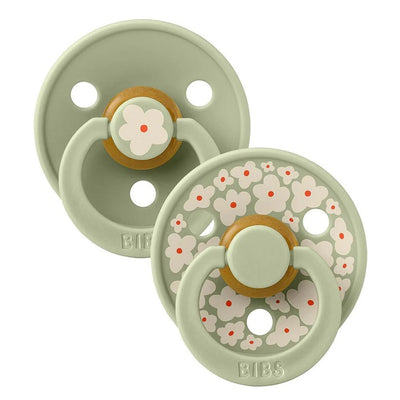
A familiar comfort item
A soft toy or comforter from Baby Village can provide reassurance during the day, especially for babies and toddlers adjusting to new environments. -
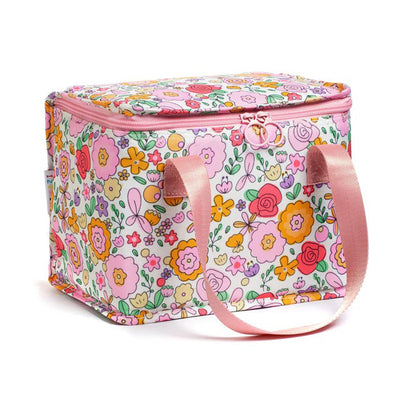
A practical, easy-to-use backpack or bag
Age-appropriate bags help children feel capable and involved in their routine, whether they’re heading to daycare or school. -
Leak-proof lunch and drink containers
Familiar containers from home help children feel more confident during meals and reduce frustration for little hands learning independence. -
Spare clothing sets for daycare or school
Having pre-packed, labelled outfits ready makes busy mornings and unexpected messes much easier to manage. -
Bedtime essentials that support better sleep
From swaddles and sleep sacks to calming night-time products, consistent sleep cues help children reset after busy days and support smoother mornings.
These simple essentials help build first week confidence, making the return to daycare, preschool, or school feel more predictable and less overwhelming.
Returning to routine isn’t about snapping back to who you were before. It’s about moving forward as who you are now.
Take it one step at a time. Ask for support when you need it. You’re allowed to build a working life and family rhythm that fits your child, your household, and yourself.
As you settle into new routines at home and beyond, we’re here to help make everyday transitions a little easier. Shop Baby Village’s range of nursery essentials and practical support for life with babies and children.
Need a hand choosing the right product? Chat with our team online or visit us in store - we're here to help.