

 Clearance


 New Arrivals
 GIFT CARDS






























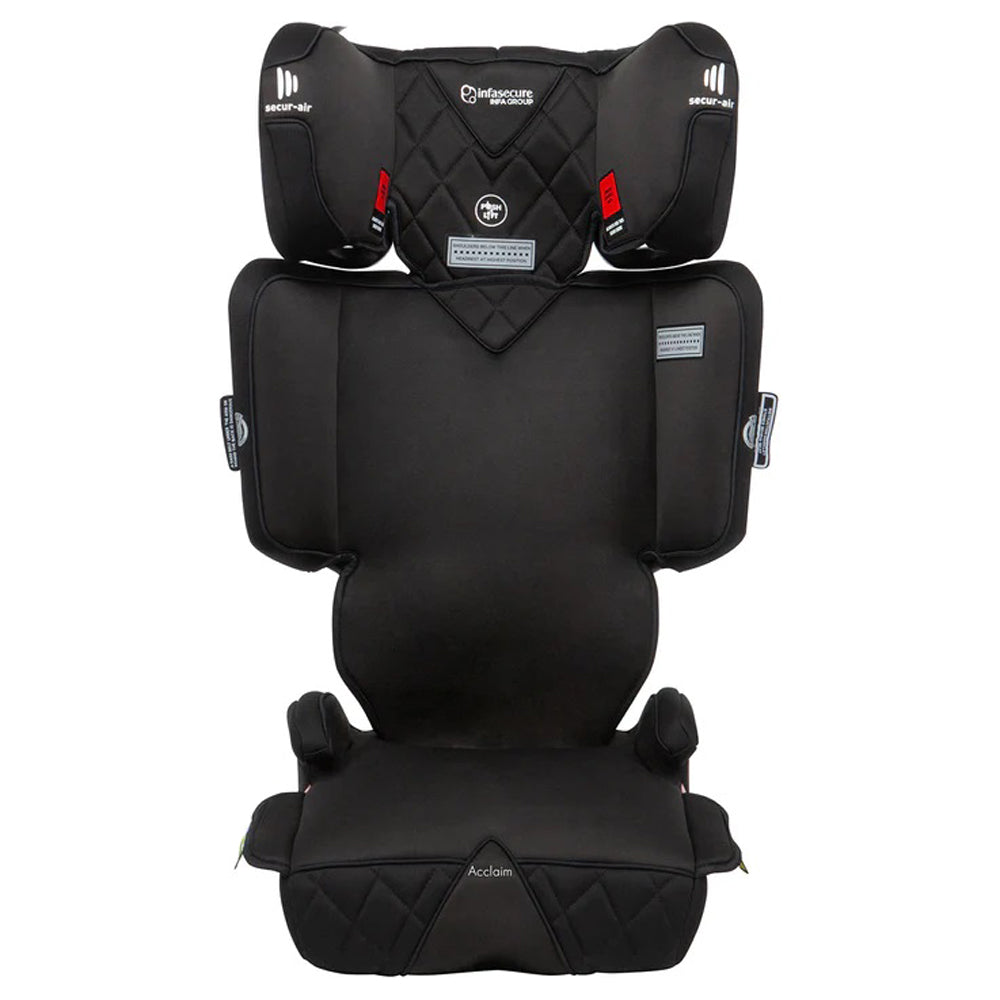


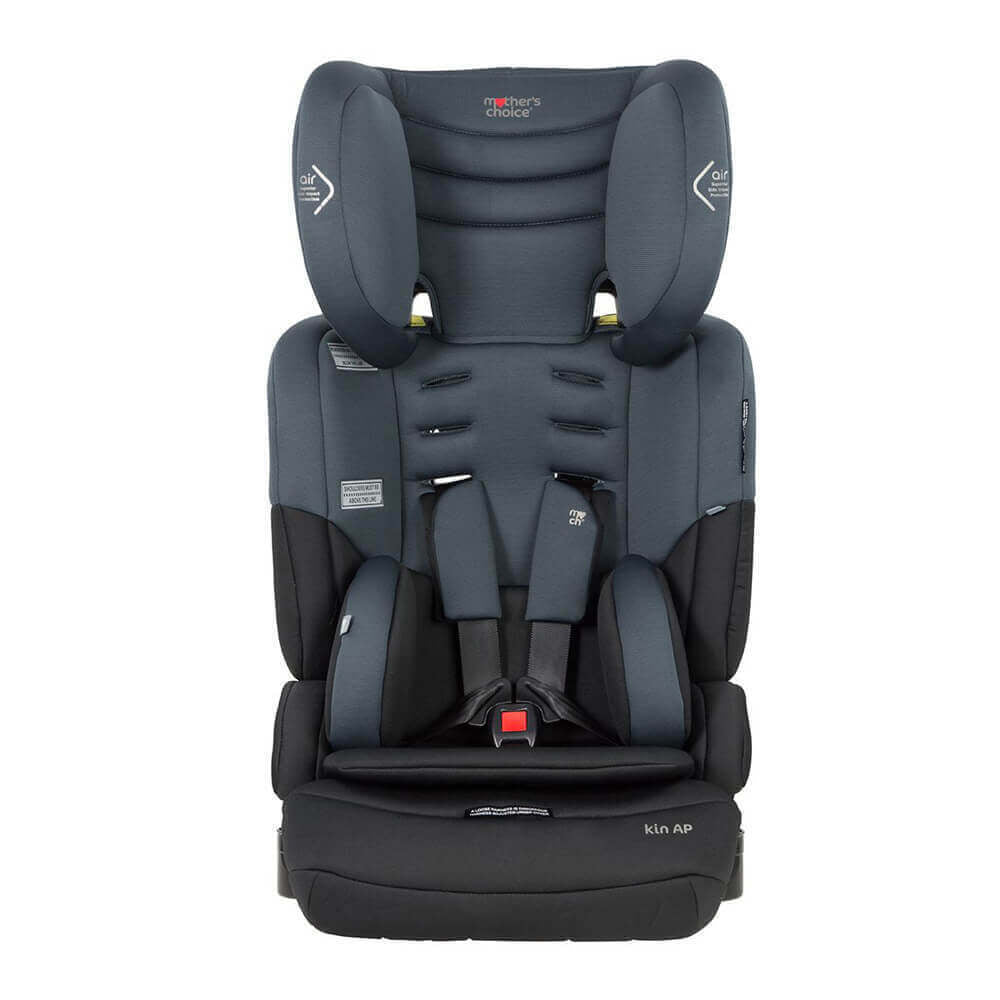



Moving a child to a booster seat is one of those milestones that arrives before most parents feel fully ready for it. The rule in Australia is clear - children can move to a booster from four years of age - but the real question is whether they're ready to use one well.
A child in a booster seat relies on the adult seatbelt rather than a dedicated harness, which means they need to sit correctly for the full journey without slouching, fidgeting the belt off their shoulder, or finding creative ways to slip it behind their back.
Many families keep their child in a harnessed forward-facing seat beyond four years if the dimensions still fit - and there is nothing wrong with that. When the time is right, a well-chosen booster, comfortable and easy to use, makes the transition to this next stage something a child takes genuine pride in rather than resists.
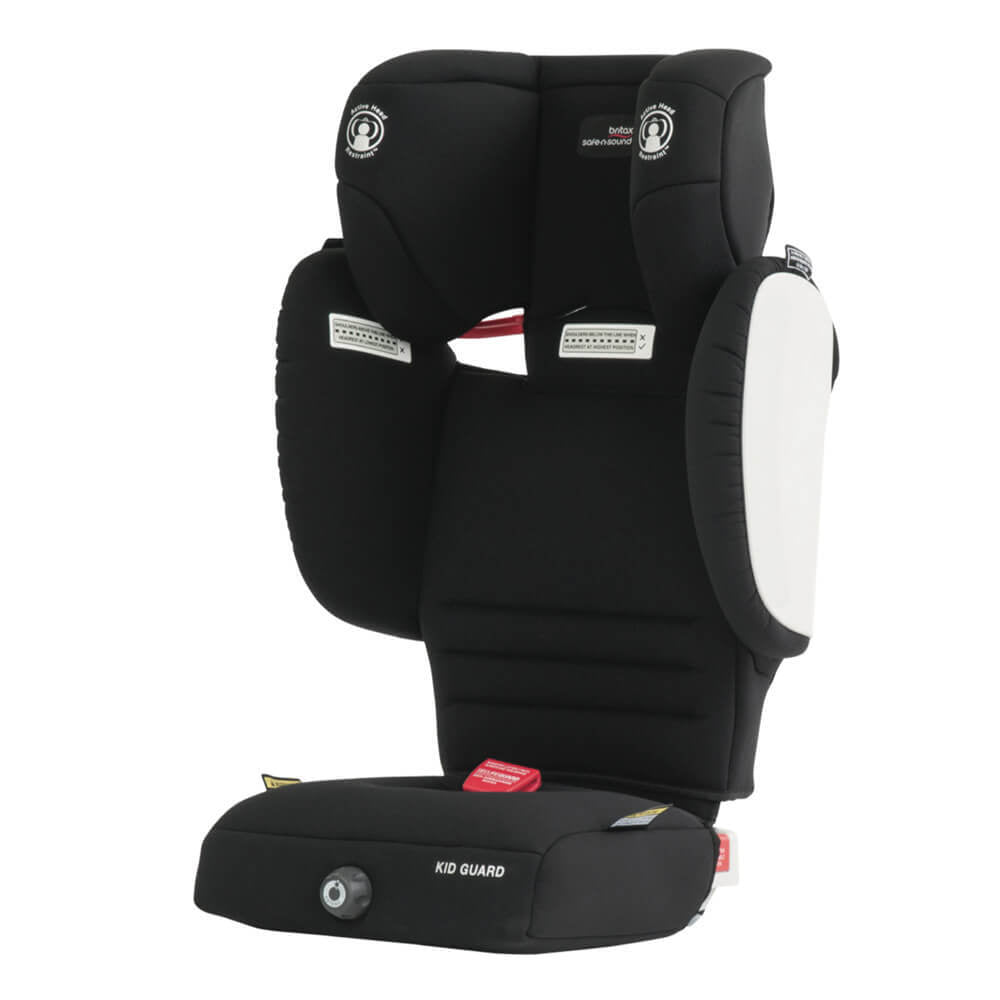
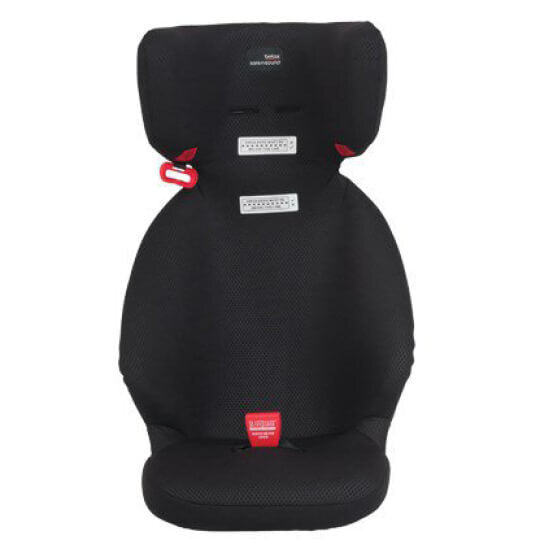
A high-back booster guides the seatbelt across the shoulder and hip correctly while providing a headrest that supports a sleeping child on longer drives. For younger children, or for any family who does regular long-distance travel, a high-back design is the more considered choice - the head and neck support it provides when a child dozes off is something a backless design simply cannot replicate.
Backless boosters are lighter, more portable, and easier to move between vehicles - a practical choice for older children who no longer need the head support, or as a secondary seat for a second car.
Australian road rules require children under four to use a booster with a back, meaning backless designs are only appropriate once that threshold is met. Several models in this range convert between harnessed and belt-guided use, extending the seat's useful life as a child grows through the middle years.
A booster seat works by positioning the adult seatbelt correctly across a smaller body - across the shoulder rather than the neck, and across the hip rather than the stomach. Without a booster, neither position is achievable for most children under around 145 centimetres, and a belt sitting incorrectly is significantly less protective in a crash, regardless of how securely it is fastened.
Your child stays in a booster seat until they reach 145 centimetres - for most, somewhere between 10 and 12 years old. That is a long time for a product to earn its place in the car, which is why comfort and build quality matter as much here as safety ratings. A booster your child is genuinely comfortable in is one they will use correctly and consistently for the full stretch ahead, without the daily negotiation that comes with a product they dislike.
Maxi Cosi brings their global car seat expertise to the booster category, with options ranging from full high-back designs for younger children through to lighter, portable boosters - all built to the safety and quality standards their brand is trusted for.
Britax Safe-n-Sound offers Australian-designed and tested booster seats with decades of local family trust behind them, covering every point on the price and feature spectrum from accessible to premium.
InfaSecure rounds out the selection with their high-back and convertible booster range - an Australian brand with a strong reputation for real-world performance across the middle years of the car seat journey - and these are just some of the booster seat brands we carry.
A booster seat is the final chapter of the car seat journey - and it is worth knowing every stage is covered in one place. Browse the complete kids’ car seats range from birth through to booster:
Shop online with fast delivery Australia-wide, or visit our Alexandria or Miranda stores - our accredited fitting team can help you find the right seat for your child and confirm it is installed correctly before you leave.